
Abnormal cholesterol in insulin resistance
Agnieszka Słonina, clinical dietitian
Discover a comprehensive guide to the world of cholesterol. Learn the basics - what cholesterol is and what its types are, including which one is considered 'good'.
What is cholesterol?
Because of their structure, fats cannot be transported around the body in their basic form. For this reason, they are transported by carriers - lipoproteins. Cholesterol is transported in lipoprotein complexes that circulate in the plasma. Lipoproteins deliver lipids to the tissues, where they serve as a source of energy. The body uses lipids to produce hormones and to create bile acids.
On the surface of the lipoprotein complexes there are apoproteins, which act as a kind of passport for the tissues. Based on them, the tissue recognizes the type of complex and, thanks to them, can use the cholesterol and other substances carried within the complex.
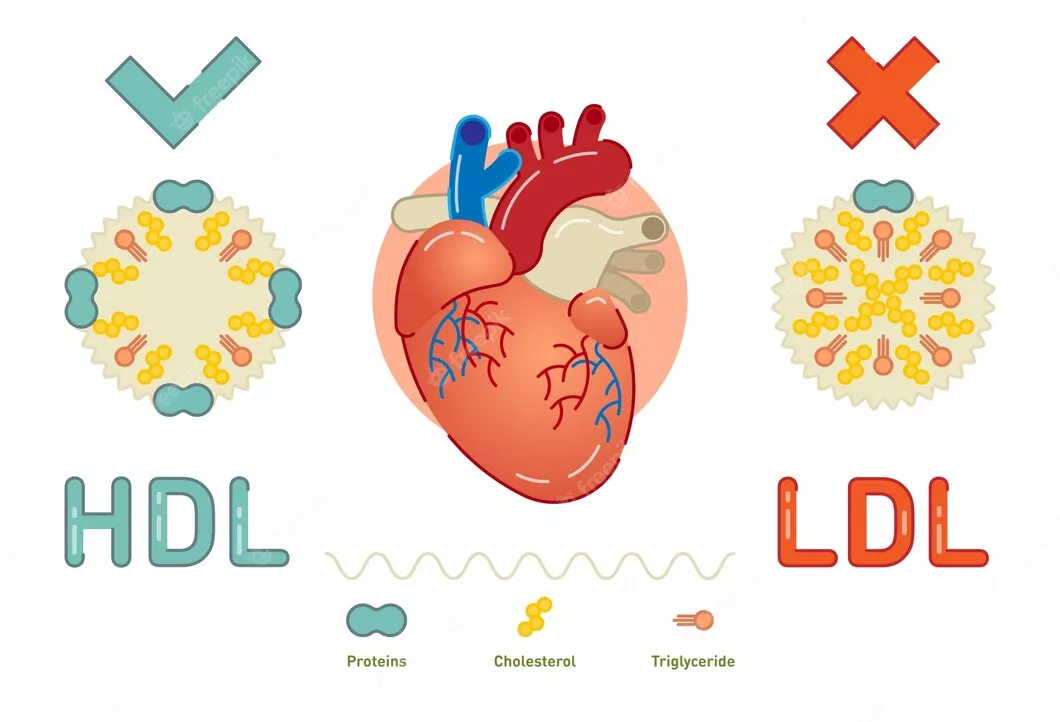
So we can picture this whole system as a "bubble", on the outside of which there are apoproteins that identify our "bubble". Inside the "bubble" there are cholesterol components. The optimal amount of cholesterol in the human body results from the correct course of the biosynthesis process (~70%) and a balanced supply of cholesterol from food (~30%).
Which cholesterol is good?
When plasma is collected and its components are centrifuged, four types of lipoproteins can be distinguished, that is, four types of "bubbles". They differ in their apoproteins and in the composition found inside the "bubble". Because of their differing composition, the lipoproteins differ in density, diameter and composition. We customarily refer to these lipoproteins as cholesterol; they are:
- chylomicrons
- very low density lipoproteins - VLDL
- low density lipoproteins - LDL
- high density lipoproteins - HDL
Because of their differing structure and composition, our "bubbles" will perform different functions in the body.
Chylomicrons are the lipoproteins with the lowest density and the largest diameter. They contain the most lipids and the fewest apoproteins. They are responsible for transporting the fats consumed with food. Chylomicrons reach the cells of adipose tissue, muscle tissue, the liver and the pancreas.
VLDL and LDL show successively greater density, have fewer lipids and progressively more apoproteins. VLDL are produced by the liver. They carry lipids created by our body from the liver to the tissues. After transferring the lipids and undergoing several transformations, VLDL are converted into LDL.
LDL handle the transport of cholesterol from the liver to other organs. They contain most of the plasma cholesterol. LDL is referred to as bad cholesterol.
HDL show the smallest diameter, the highest density, contain the fewest lipids and the most apoproteins. HDL is synthesized in the liver and in the intestinal wall. They are assigned the role of clearing cholesterol from the plasma. The cholesterol they collect is partly converted into bile acids or secreted into the bile in order to be removed from the body. HDL is referred to as good cholesterol.
Cholesterol norm
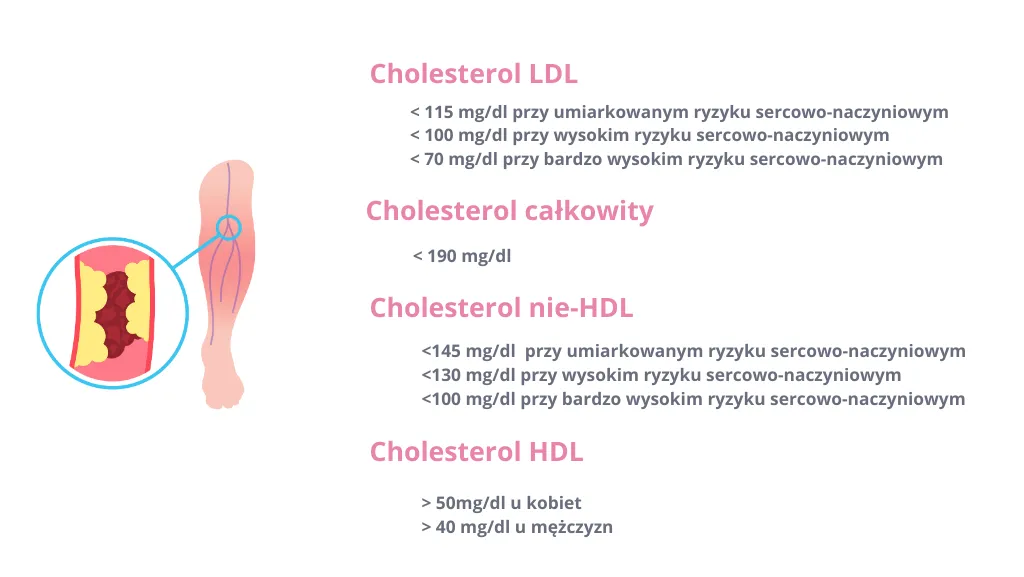
Total cholesterol <190 mg/dl - the concentration of this cholesterol is used to estimate the total cardiovascular risk using the SCORE system.
LDL cholesterol < 115 mg/dl at moderate cardiovascular risk
< 100 mg/dl at high cardiovascular risk < 70 mg/dl at very high cardiovascular risk
The concentration of this cholesterol is of the greatest importance in the diagnosis of lipid disorders and in grading cardiovascular risk. About 70% of the cholesterol in the blood is transported by LDL.
Non-HDL cholesterol <145 mg/dl at moderate cardiovascular risk <130 mg/dl at high cardiovascular risk <100 mg/dl at very high cardiovascular risk
The concentration of this cholesterol expresses the total amount of all atherogenic lipoprotein fractions. It is calculated by subtracting HDL from total cholesterol. According to the results of numerous studies, non-HDL concentration is more predictive of cardiovascular risk than LDL concentration.
**
HDL cholesterol > 50mg/dl in women
> 40 mg/dl in men**
Its low concentration is a strong cardiovascular risk factor. Under physiological conditions they inhibit the development of atherosclerosis mainly through their participation in the reverse transport of cholesterol - from the tissues to the liver.
Triglyceride concentration <150 mg/dl
A high concentration of triglycerides is a risk factor for cardiovascular events.
Apolipoprotein B <100 mg/dl at high cardiovascular risk < 80 mg/dl at very high cardiovascular risk
It is the main apoprotein of the atherogenic fractions - VLDL and LDL. That is, it serves as the "passport" of all the harmful cholesterol "bubbles".
Apolipoprotein A1 (apoA1) >125 mg/dl
It is the main apoprotein of HDL particles and reflects their total number in the blood plasma.
**Lipoprotein (a) <50 mg/dl
**
It is a pathogenetic factor of vascular diseases with an atherosclerotic background. Cardiovascular risk is considered significant at a concentration above 50 mg/dl. Even >30% of patients with familial hypercholesterolemia may have elevated plasma Lp(a) concentrations despite a normal LDL concentration.
How does cholesterol affect the body?
It is commonly believed that cholesterol is unnecessary. The truth is quite different. Cholesterol is a molecule essential for human life. It performs many important functions in our body:
- it is part of cell membranes and modulates their fluidity
- it conditions the functioning of the nervous system
- it is a precursor of steroid hormones (e.g. aldosterone, cortisol, estrogens and testosterone), vitamin D and bile acids
- it supports the functioning of the immune system
- it is a component of the skin's hydrolipid barrier
Although cholesterol is of key importance for human health, it can also harm the body if we allow its concentration in the blood to become abnormal.
What is atherosclerosis?
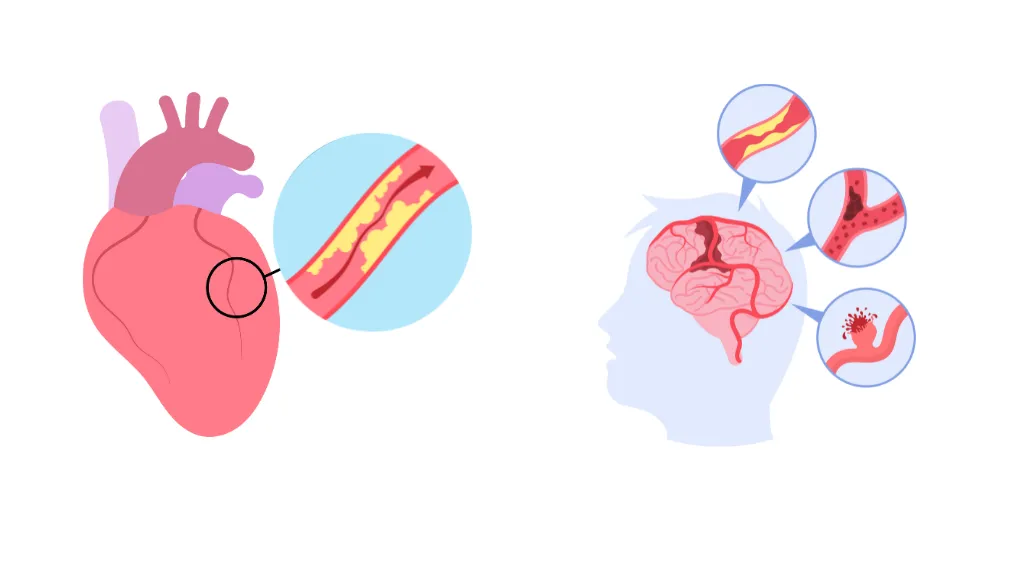
Atherosclerosis is the most common cause of ischemic heart disease - it accounts for 98% of cases. Atherosclerosis is a disease of an inflammatory and chronic nature.
For atherosclerotic lesions to develop, they require damage to the vascular endothelium. Such damage is most often caused by hypertension, tobacco smoke, hyperglycemia, oxidative stress, or viral or bacterial infections.
The causative factor of atherosclerosis itself is modified LDL. It is this type of cholesterol that is responsible for the increased risk of atherosclerotic lesions forming. They penetrate into the arteries through the damaged vascular endothelium. The development of atherosclerotic lesions is promoted by white blood cells, which take up the modified LDL and thereby fill with cholesterol and turn into foam cells. Connective tissue and smooth muscle cells develop around the focus. This is how an atherosclerotic plaque forms, whose stability depends on its connective-tissue cap.
Under a strong inflammatory state this cap may rupture. A blood clot then develops, which reduces the flow of blood through the vessel and can cause tissue hypoxia. A stable connective-tissue cap, on the other hand, gradually strengthens, and the atherosclerotic plaque flattens. The foam cells undergo necrosis and a lipid core forms. In the next stage, focal calcification begins within the atherosclerotic plaque. The atherosclerotic plaque can lead to occlusion of the vessel.
Why is cholesterol high?
Several factors can lead to an increased cholesterol level. Among them are:
- genetics
- diet
- stress
- a sedentary lifestyle
- medications and other disorders, such as: nephrotic syndrome and hypothyroidism
Cholesterol - fasting or not?
Samples for a lipid profile test do not have to be collected while fasting. However, it is advisable to repeat the tests while fasting if the triglyceride concentration exceeds 440 mg/dl.
Disorders of lipoprotein metabolism
Dyslipidemia is a state in which the plasma lipoprotein concentration exceeds the recommended norms. Lipid disorders can be divided into:
- hypercholesterolemia: increased concentration of total cholesterol and LDL cholesterol
- atherogenic dyslipidemia: increased triglyceride concentration, low HDL concentration and high LDL concentration
- mixed (combined) hyperlipidemia: increased concentration of triglycerides and LDL cholesterol
Cholesterol in food products
The average increase in fasting cholesterol resulting from the consumption of dietary cholesterol is about 10%, but there are marked individual differences here, which carry significant health consequences.
There is a difference in how we eat our cholesterol. Take eggs, for example. Eating eggs together with bacon, which is a source of saturated fatty acids, raises the LDL cholesterol level far more than eating these products separately.
It should be emphasized that dietary cholesterol slightly raises the level of total cholesterol and, on average, LDL cholesterol, but there are interindividual differences. This means that within the population we can distinguish hyper- and hypo-responders. Hyper-responders will have higher cholesterol levels when consuming the same amounts of cholesterol as hypo-responders.
In practice this means:
- healthy people can consume at most one whole egg per day, or its cholesterol equivalent
- vegetarians who do not consume meat products containing cholesterol can include more dairy and eggs in their diet
- patients with dyslipidemia, especially those with diabetes or at risk of heart failure, should exercise caution when consuming eggs
- older patients with normal cholesterol results can consume up to 2 eggs a day
How to lower cholesterol?
LDL and total cholesterol
In all patients with abnormal cholesterol results, lifestyle modification is recommended, with the use of medications only in selected clinical situations.
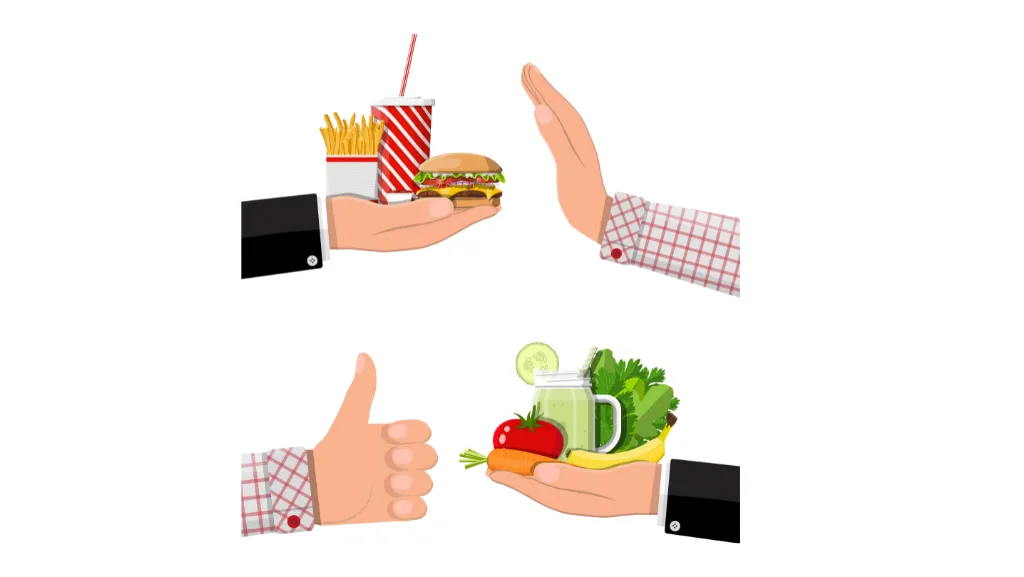
Among the recommended non-pharmacological changes is limiting the consumption of saturated fatty acids, which we find, for example, in butter, meat or processed meat products. In addition, it is also worth limiting the consumption of trans fats, which are found, for example, in ready-made bakery products.
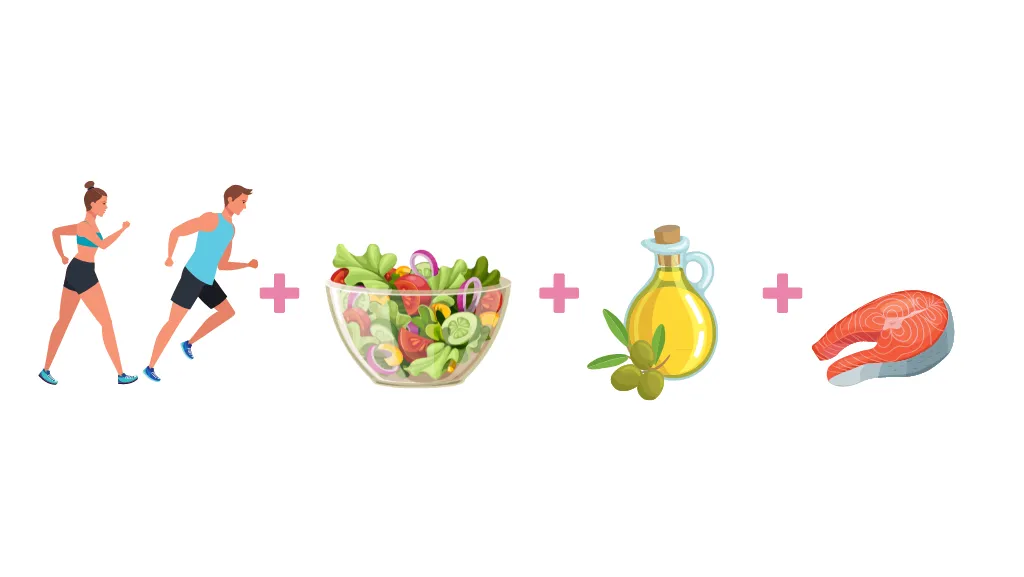
When 1% of energy from saturated fatty acids is replaced with monounsaturated fatty acids (e.g. olive oil) or polyunsaturated fatty acids (e.g. oily sea fish), the LDL concentration can be reduced by 1.6 mg/dl and 2 mg/dl respectively. Replacing saturated fatty acids with carbohydrates reduces LDL by 1.2 mg/dl.
An important recommendation is body weight reduction and increasing physical activity. Every 10 kg lost reduces LDL by an average of 8 mg/dl, and intense regular physical exertion is able to lower LDL by about 5-7%. These are not large drops in LDL level, but weight reduction itself will have a beneficial effect on the risk of cardiovascular disease.
Triglycerides
In the case of elevated triglycerides, the most important recommendation will be body weight reduction and the introduction of regular physical activity. In addition, an important recommendation will be minimizing the alcohol consumed and reducing the consumption of simple sugars.
Special attention should also be paid to an adequate intake of omega-3 fatty acids. Their source is oily sea fish. If we are not able to eat 1-2 portions of fish a week, it is recommended to introduce supplementation with EPA and DHA acids. The best effects in reducing triglyceride concentration are achieved by following a _low glycemic index diet.
_
HDL
Body weight reduction is the main intervention that contributes to an increase in HDL concentration. Here we speak of an increase of 0.4 mg/dl for every kilogram lost. And systematic physical exertion of about 300 minutes a week can lead to an increase in HDL of 6 mg/dl.
Every 1000 kcal burned translates into an increase in HDL concentration of about 3 mg/dl. It is also beneficial to stop smoking cigarettes. An increase in HDL can also be observed after reducing the consumption of trans fats. It is worth emphasizing that replacing energy consumed from fats with that derived from whole-grain, fiber-rich carbohydrates does not lower the HDL level, but is again a beneficial change that limits the risk of cardiovascular events.
Nutraceuticals in dyslipidemia
Our diet can be enriched with products that will, in a targeted way, help improve the lipid profile.
Phytosterols and stanols
They occur naturally in plant fats, vegetables, whole-grain products, legumes and fruit. Currently they are added to some margarines and yogurts. A daily intake of 2 g translates into a reduction of LDL and total cholesterol concentration by about 7-10%
Mono- and polyunsaturated fatty acids
In this group, particular health-promoting properties are attributed to omega-3 acids. Consuming them in an amount of about 2-4 g per day translates into a reduction of triglyceride levels by about 25-30%, and also significantly lowers the level of inflammatory markers.
Abnormal cholesterol in insulin resistance
How can these two diets be combined? What should you pay attention to?
Let's start with the fact that a low glycemic index diet on its own, provided it is well managed, will bring many benefits for our cholesterol. Introducing whole-grain products and larger amounts of vegetables will provide a higher proportion of fiber, which will have a positive effect on our cholesterol.
What else should you pay attention to?
The source of protein. It is worth choosing a plant source of protein or lean meat. If we have elevated cholesterol, replacing a few dinners a week with vegetarian versions, including for example legumes, will have a positive effect on our cholesterol and on glucose and insulin levels.
What else?
A very important step will be the correct selection of the source of fat. In the case of elevated cholesterol, it is worth opting for plant fats - olive oil, linseed oil or rapeseed oil. Let's try to avoid large amounts of butter, hard margarines or lard. It is better to choose lean dairy instead of full-fat dairy.
Bibliography
Huff T., Boyd B., Jialal I.: Physiology, Cholesterol. [Updated 2023 Mar 6]. In: StatPearls [Internet]. Treasure Island (FL): StatPearls Publishing; 2023 Jan-. Available from: https://www.ncbi.nlm.nih.gov/books/NBK470561/
Guidelines of the PTL/KLRwP/PTK/PTDL/PTD/PTNT for the diagnosis and treatment of lipid disorders in Poland (2021) - Polish Lipid Association." https://ptlipid.pl/blog/2021/09/05/wytyczne-ptl-klrwp-ptk-ptdl-ptd-ptnt-diagnostyki-i-leczenia-zaburzeniach-lipidowych-w-polsce-2021/ (accessed: August 29, 2023).
Spence J.D., Srichaikul K.K., Jenkins D.J.A.: Cardiovascular Harm From Egg Yolk and Meat: More Than Just Cholesterol and Saturated Fat. J Am Heart Assoc, 2021, 10(7):e017066
J. A. S. Carson et al.: Dietary Cholesterol and Cardiovascular Risk: A Science Advisory From the American Heart Association, Circulation, 2020, vol. 141, pp. E39-E53
Diagnostyka laboratoryjna w dietetyce, ed. Lucyna Ostrowska, Warsaw, Wydawnictwo Lekarskie PZWL, 2018, ISBN 978-83-200-5584-9
Edward Bańkowski, Biochemia, 3rd ed., Wrocław, Edra Urban i Partner, 2016, ISBN 978-83-65373-09-0
Consultation with a dietitian
Interested in changing your
eating habits?