Reflux in Insulin Resistance
Agnieszka Słonina, clinical dietitian
Get to know the topic of gastroesophageal reflux - a condition that can affect anyone. This article explains what reflux is, how it develops, and what its symptoms are
Reflux - what is it?
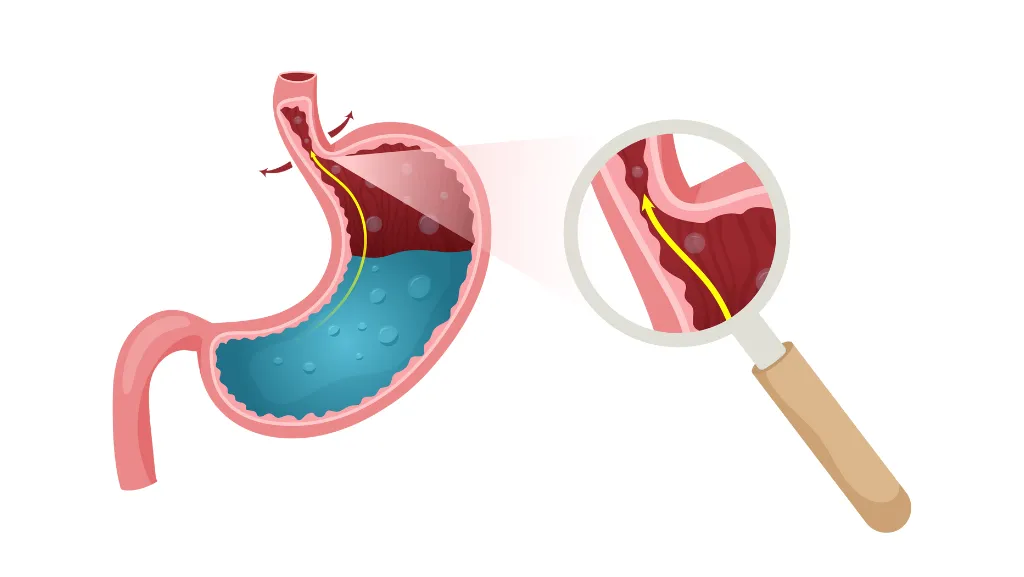
The stomach produces hydrochloric acid and digestive enzymes that enable us to break down food. At the same time, the stomach is resistant to the action of these substances. However, when the stomach's natural barrier weakens and the contents flow back into the esophagus, this is referred to as reflux.
If the contents flow back into the esophagus, this is called gastroesophageal reflux. If, on the other hand, the contents flow back higher up, into the larynx, they can irritate the vocal cords and the back of the throat. In that case we speak of laryngopharyngeal reflux. All of these symptoms have been classified collectively as reflux.
Gastroesophageal reflux disease (GERD) is a chronic condition characterized by periods of remission and exacerbation. Interestingly, reflux and esophagitis are the second most common reason for outpatient visits, after abdominal pain.
The reflux of acidic contents from the stomach into the esophagus, especially after a meal, is a physiological phenomenon. The criterion for diagnosing GERD is the regurgitation of gastric contents into the esophagus that produces bothersome symptoms of the disease and/or complications. Bothersome symptoms are considered to be mild symptoms occurring two or more days per week, or moderate to severe symptoms occurring at least one day per week.
Reflux - how does it develop?
The overall prevalence of GERD symptoms is comparable in women and men. The pathogenesis of GERD is complex and multifactorial. The main causes of the disease include:
- impaired motor function of the lower esophageal sphincter (LES)
- impaired anatomy and physiology of the esophagogastric junction
- impaired natural tissue resistance
- visceral hypersensitivity
- impaired gastric emptying
Importantly, gastroesophageal reflux disease can develop in the course of certain systemic diseases, such as:
- diabetes
- hormonal disorders
- neurological demyelinating diseases
Additional factors contributing to GERD are:
- overweight and obesity
- genetic factors
- tobacco smoking
- a high-fat diet
- carbonated beverages
The increased risk of developing symptoms of the disease is proportional to the body mass index (BMI). This risk is elevated not only in people who are overweight or obese, but also in people who have a normal body weight but are gaining weight.
It has also been observed that both a lack of physical activity and a high level of physical activity can contribute to the development of the disease. It is worth noting that moderate physical activity in the form of walking, swimming, or cycling aimed at normalizing body weight will have a beneficial effect on GERD symptoms.
Reflux - symptoms
Typical symptoms of GERD include:
- heartburn
- empty belching
- regurgitation
- pain and/or discomfort in the upper abdomen
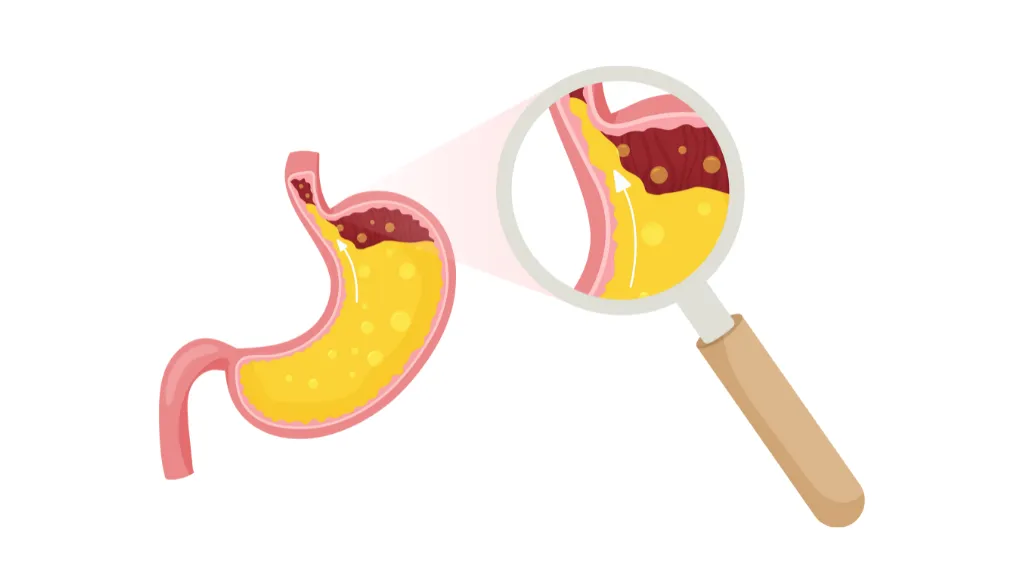
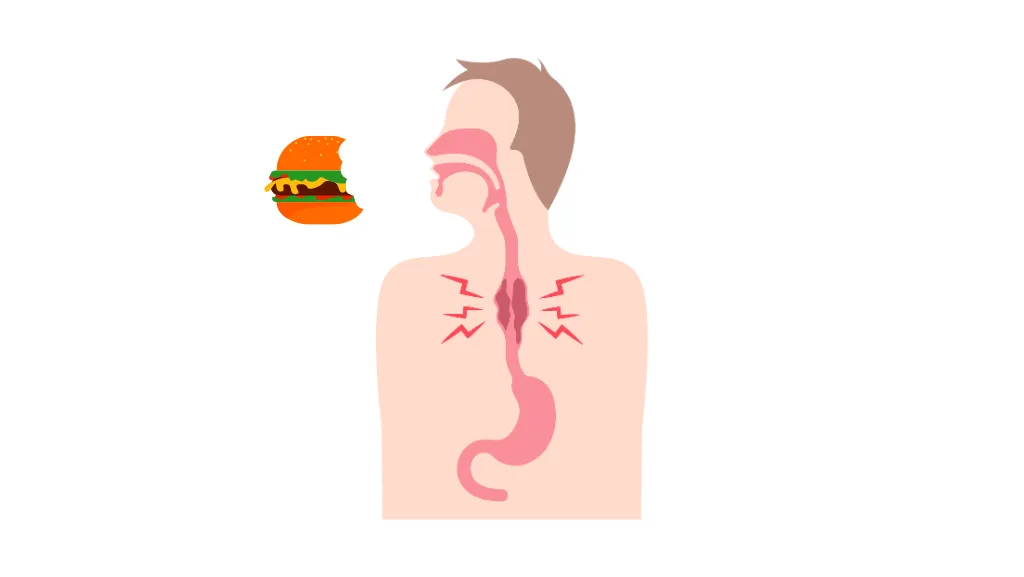
Heartburn is defined as a feeling of burning or stinging in the retrosternal area or in the epigastrium. This sensation may radiate toward the neck and throat. Regurgitation, on the other hand, involves the sensation of food contents flowing back from the stomach into the esophagus.
Importantly, these symptoms occur especially after large and fatty meals or after eating spicy dishes, carbonated beverages, and alcohol. Lying on your back and bending over can trigger or aggravate the symptoms. The intensity of the symptoms listed can range from a mere feeling of discomfort to constant, severe complaints that prevent the patient from functioning normally.
Heartburn occurring in the late evening hours can cause difficulty falling asleep, restless sleep, nightmares, and can also affect one's well-being the following day.
Less common symptoms include:
- nausea
- belching
- hoarseness
- hiccups
- chest pain
- dysphagia (swallowing difficulties)
- odynophagia (painful swallowing)
We also distinguish forms of the disease that present with extraesophageal symptoms:
- symptoms resulting from food contents flowing back into the esophagus: reflux cough, reflux laryngitis, reflux asthma, dental erosions
- diseases in which reflux is one of the triggering factors (pharyngitis, sinusitis, idiopathic pulmonary fibrosis, recurrent otitis media)
Reflux - complications
The most common complication is erosive esophagitis, which is diagnosed during a gastroscopy. It occurs in 15-30% of patients with typical symptoms of the disease.
Esophageal stricture and ulceration is a serious complication of GERD, estimated to occur in less than 5% of patients. Esophageal ulcers are deeper mucosal lesions than erosions, as they involve the submucosa. A rare complication of esophageal ulceration is bleeding, which may manifest as bloody and/or coffee-ground vomit and tarry stools.
Among the further complications of GERD are peptic esophageal strictures, most often located in the lower part of the esophagus. Patients with strictures usually have a high degree of esophageal exposure to the refluxed contents. The dominant symptom of strictures is impaired swallowing, i.e. dysphagia, affecting solid foods.
Chronically persistent GERD symptoms increase the risk of developing Barrett's esophagus, which is a recognized risk factor for the development of esophageal adenocarcinoma. The risk of developing esophageal adenocarcinoma increases with the duration and severity of GERD symptoms.
Reflux - how to treat it?
Currently, proton pump inhibitors (PPIs) are used in the pharmacological treatment of reflux. These drugs are currently considered the most effective group of medications for relieving GERD symptoms and healing inflammatory lesions of the esophagus. PPIs do not affect the pathophysiological mechanism of reflux or the number of reflux episodes. Their action is based on inhibiting the secretion of hydrochloric acid in the stomach. To optimize the effectiveness of PPIs, they should be administered 30-60 minutes before a meal.
PPI therapy leads to the healing of reflux esophagitis in 72-83% of patients and to the resolution of heartburn in 56-77% of patients with esophagitis. The risk of recurrence of inflammatory lesions in the esophagus in patients who continue PPI treatment is 13%, and in patients who discontinue treatment, 72%.
Adverse effects are reported by a small group of patients (<5%). These are most often:
- diarrhea
- headaches
- nausea
- vomiting
- excessive flatulence
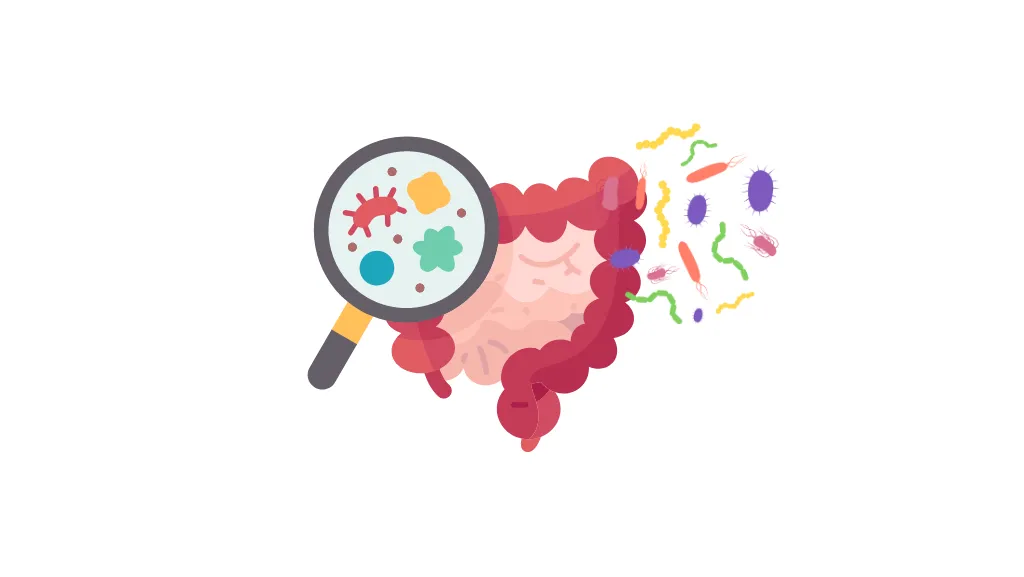
Among the significant adverse effects are dysbiosis of the intestinal microbiota predisposing to an increased frequency of Clostridioides difficile infections and small intestinal bacterial overgrowth (SIBO), as well as disorders of absorption and deficiency of vitamin B12, magnesium, and iron.
Reflux - how to treat it with home remedies?
The pressure of the lower esophageal sphincter is an element that is influenced by food intake. The function of the lower esophageal sphincter is regulated, among other things, through nervous and hormonal pathways. The release of substances that stimulate the sphincter's function depends on the oral intake of food and changes depending on the caloric density and chemical composition of the food.
The refluxed gastric contents consist of several factors that irritate the esophageal mucosa, including gastric acid, digestive enzymes, and bile acid salts. The secretion of these digestive components depends on food intake and may change along with changes in the composition of the food.
First and foremost, once reflux has been confirmed, lifestyle modification is recommended:
- weight reduction in patients who are overweight or obese
- raising the head of the bed (28 cm is recommended); you can try sleeping on your left side
- an adequate amount of sleep
- avoiding eating meals for at least 3 hours before bedtime (up to 4 hours with severe symptoms)
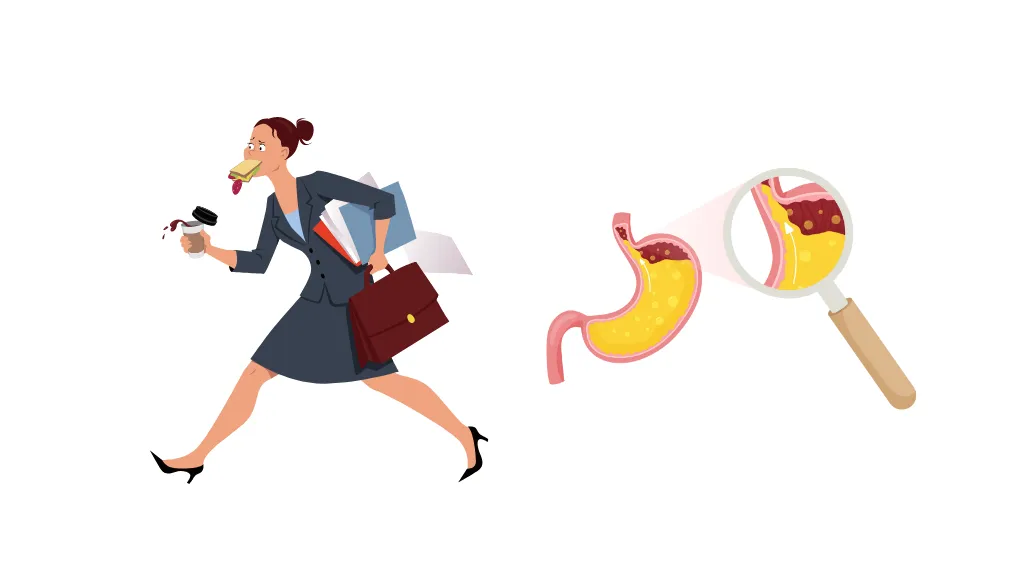
- regularity and not rushing while eating meals
- small portions of meals, 5-6 times a day
- quitting smoking
- stopping alcohol consumption
- not working in a bent-over position
- not wearing tight underwear or clothing
- avoiding stress
Reducing BMI by 3.5 kg/m2 leads to a significant reduction in GERD symptoms. Reducing the waist circumference also improves GERD symptoms and reduces the esophagus's exposure to hydrochloric acid. Moreover, patients who followed a low-calorie diet and performed aerobic exercise and achieved a BMI reduction of 5 kg/m2 were able to reduce their PPI dose or discontinue it entirely.
Reflux - what to eat?
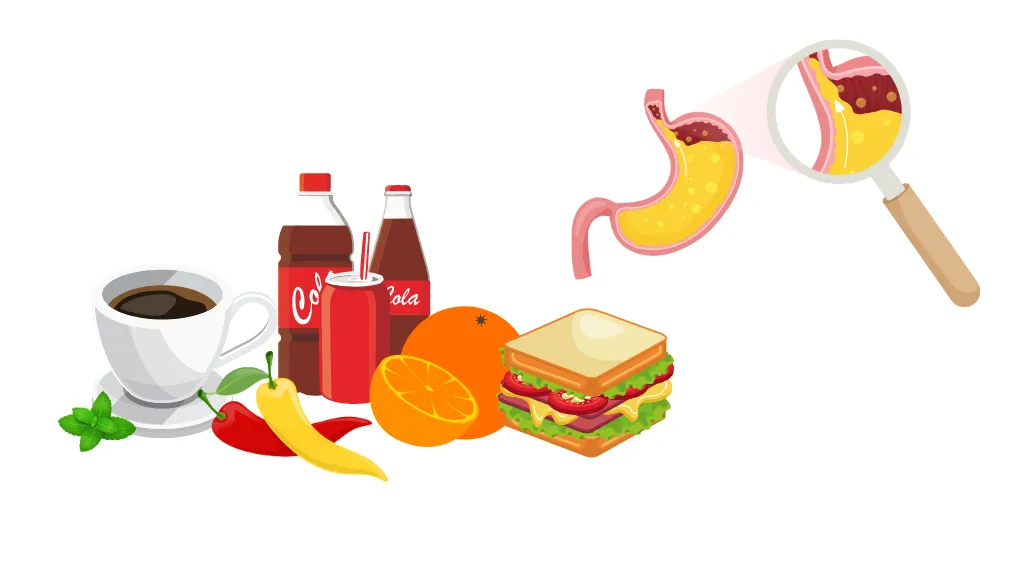
Dietary components that may aggravate GERD symptoms include:
- citrus fruits
- fruit juices and carbonated beverages with an acidic reaction - acidic fluids require more swallows and move more slowly from the esophagus to the stomach compared with fluids with a neutral pH
- carbonated beverages, including sparkling water and cola (both decaffeinated and caffeinated) - through their short-term effect of lowering intraesophageal pH and the basal pressure within the lower esophageal sphincter, and by increasing gastric secretion
- high-fat foods - they reduce the tension of the lower esophageal sphincter and prolong the esophagus's exposure to hydrochloric acid
- it is beneficial to combine tea or coffee with milk - this alleviates reflux symptoms
- the temperature of dishes should be moderate so as not to irritate the esophagus
- eliminate spicy dishes
- limit consumption of allium vegetables
- be careful with the addition of mint - it greatly intensifies symptoms
- canned, pickled, and smoked products
- limit the use of: baking powder, bouillon cubes, sauces containing monosodium glutamate, concentrated bone and meat broths, and mushrooms
- chocolate and coffee - there is considerable individual variability, and this recommendation should be tailored to the symptoms
Fiber intake may reduce the risk of reflux occurring in the first place. However, not every patient will respond well to whole-grain products or legumes. If you notice such a relationship in yourself, choose more thoroughly cooked vegetables and less coarse groats or white bread. According to scientific research, it is worth opting for soluble fiber.
A very important element of the diet in reflux will be keeping a symptom diary. After eating each meal, it is worth describing the sensations from the digestive tract. In this way we will learn which products serve us well and which do not.
Reflux and insulin resistance
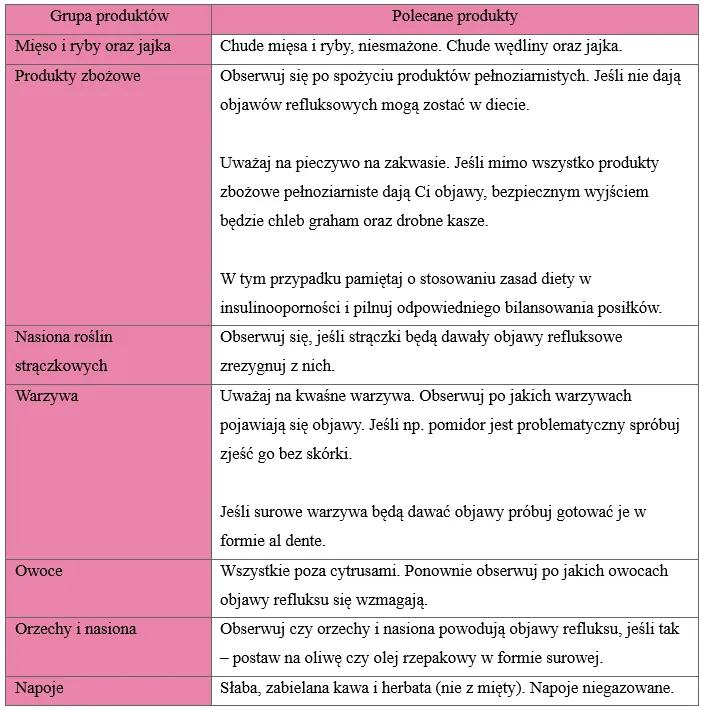
So how do you combine a diet for insulin resistance and reflux? Choose the common elements. Below I leave a table that will make it easier for you to compose meals for both of these conditions.
Bibliography
Newberry C. et al.: The role of diet in the development and management of gastroesophageal reflux disease: why we feel the burn. J Thorac Dis. 2019, 11(Suppl 12):S1594-S1601.
Świdnicka-Siergiejko A. et al.: Postępowanie diagnostyczno-terapeutyczne w chorobie refluksowej przełyku. Konsensus Polskiego Towarzystwa Gastroenterologii. Polish Archives of Internal Medicine, 2022, 132: 16 196
Gąsiorowska A. et al.: Postępowanie u pacjentów z objawami choroby refluksowej przełyku - rekomendacje dla lekrzy rodzinnych. Polskie Towarzystwo Medycyny Rodzinnej.
Waśko-Czopnik D.: Jak uzyskać sukces terapeutyczny u pacjentów z chorobą refluksową przełyku - w świetle dowodów naukowych. Varia Medica, 2021, tom 5, nr 1, strony 7-11
Consultation with a dietitian
Interested in changing your
eating habits?