
SIBO and insulin resistance
Agnieszka Słonina, clinical dietitian
Learn about SIBO - a condition caused by the overgrowth of bacteria in the small intestine. This article discusses the causes, diagnosis, symptoms, complications, and treatment methods for SIBO.
SIBO - what is it?
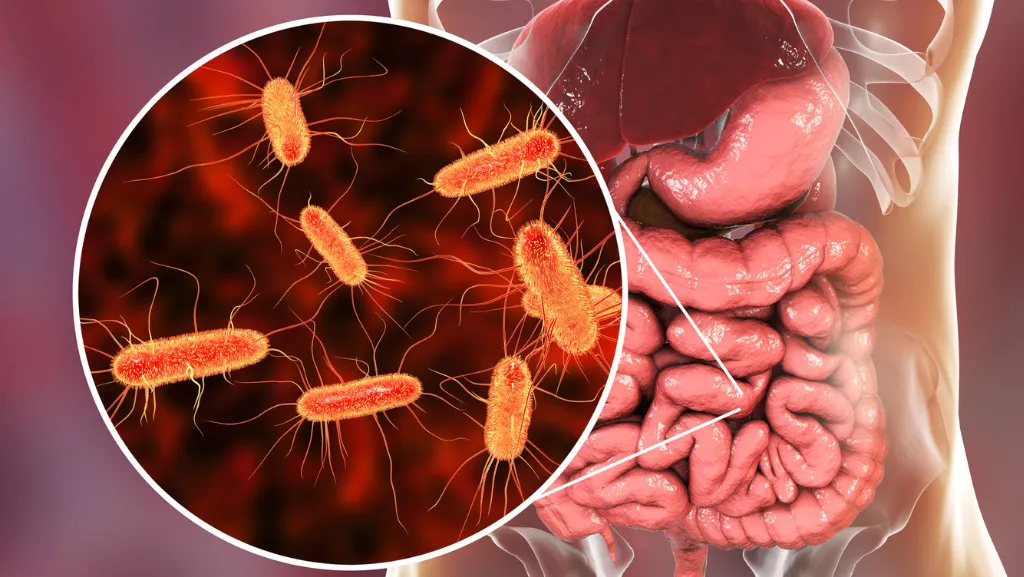
SIBO can most generally be defined as a cluster of clinical gastrointestinal symptoms resulting from the presence of an excessive number of bacteria in the small intestine, which is the main site of digestion and absorption of nutrients. A common feature of SIBO is the pathological fermentation of nutrients that would normally be completely absorbed in the small intestine. This can lead to the production of excess gas and bloating.
SIBO - causes
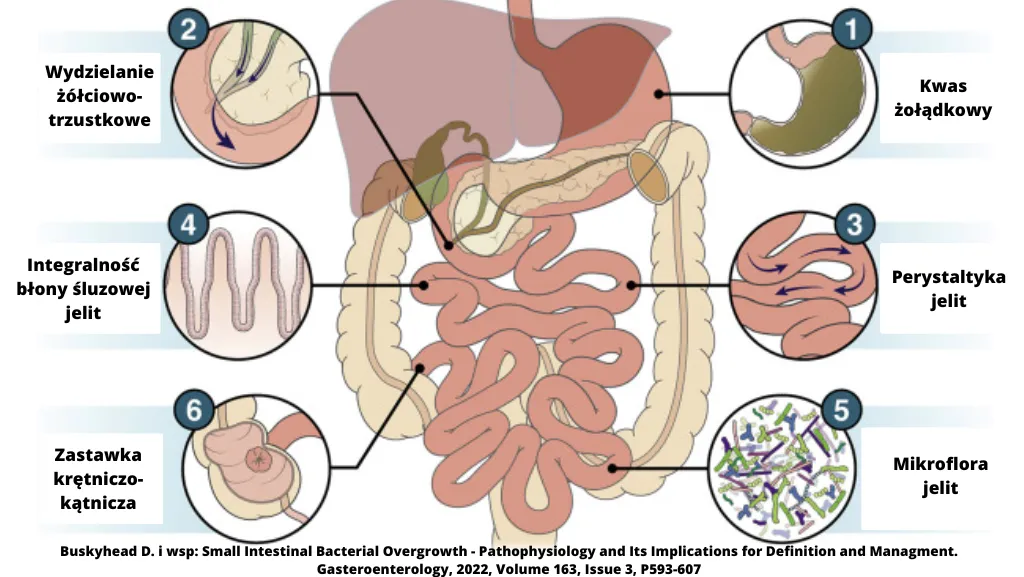
It is worth noting that there are a number of mechanisms responsible for maintaining the relatively sterile environment of the small intestine. A deficiency or impairment of one or more of these mechanisms can lead to the abnormal accumulation of bacteria in the small intestine.
Disorders that can trigger SIBO:
- mechanical causes - tumors, post-surgical changes
- general diseases - diabetes
- H. pylori infection
- gastrointestinal motility disorders - IBS
- overuse of medications - painkillers, proton pump inhibitors, antibiotics
- impaired absorption
- immune disorders - HIV
- other - aging
The small intestine has an inherent cleansing function with recurrent retrograde peristalsis and migrating motor complexes. In this, the migrating motor complex (MMC) begins its work in the stomach and moves toward the colon, propelling food content, secretions and bacteria, thereby providing natural protection against SIBO. This protective mechanism can be disrupted by the factors mentioned earlier.
Advanced age and female sex are also associated with a greater likelihood of SIBO. This is claimed to be caused by a delay in intestinal transit. Other systemic diseases that can alter motility and thus contribute to SIBO include:
- Parkinson's disease
- chronic renal failure
- amyloidosis
- systemic sclerosis
- hypothyroidism
- irritable bowel syndrome
Gastric acidity also plays a significant role in preventing overgrowth of bacteria in the small intestine. Taking proton pump inhibitors (medications most commonly used for reflux) carries a higher risk of developing SIBO. Here we speak of a threefold increased risk of small intestinal bacterial overgrowth.
Bile and secreted pancreatic enzymes also inhibit the growth of both swallowed bacteria and bacteria present in the oral cavity that may migrate to the small intestine. The intestinal mucosa contains a mucus layer and intrinsic antibacterial mechanisms. In addition, the commensal microflora of the small intestine inhibits colonization by potentially harmful bacteria. Finally, the ileocecal valve limits the retrograde movement of anaerobic bacteria from the colon.
SIBO - diagnosis
In the most recent literature, SIBO is diagnosed at a bacterial colony count of ≥103 colony-forming units per milliliter (CFU/ml) in a sample aspirated from the duodenum/jejunum.
An alternative method of diagnosing SIBO is the measurement of exhaled hydrogen gas in the exhaled air, after consuming a specific amount of carbohydrate substrate - i.e. glucose or lactulose.
The latest criteria for breath tests recommend diagnosing SIBO when exhaled hydrogen rises by at least 20 ppm above the baseline value within 90 minutes of oral intake of 75g of glucose or 10g of lactulose.
The premise of breath tests is that human cells are not capable of producing hydrogen and methane (if we also decide to perform a methane excretion test). Therefore, if these gases can be detected in breath samples, it must indicate another source, such as the fermentation of carbohydrates by microorganisms in the intestine, their subsequent absorption into the bloodstream and excretion through the lungs. In turn, methanogenic archaea use hydrogen as a substrate for the production of methane.
An increase in hydrogen concentration in breath samples provides the ability to diagnose SIBO, whereas the presence of methane ≥ 10 ppm is diagnostic for methanogenic overgrowth (IMO).
A measured hydrogen or methane level that remains below the threshold levels should be considered a negative result.
SIBO - before the test
Before the breath test, patients are advised to avoid the use of antibiotics for 4 weeks and stimulant and laxative agents for at least 1 week. The day before the breath test, fermentable foods (e.g. complex carbohydrates) should be avoided. In addition, the patient should fast for 8-12 hours.
During the test, patients should avoid smoking tobacco and minimize physical exertion. Glucose or lactulose is recommended to be administered in 1 glass of water (250ml).
SIBO - symptoms
SIBO symptoms may result from the malabsorption of nutrients, changes in intestinal permeability, inflammation and/or immune activation that arises as a result of the pathological bacterial fermentation in the small intestine.
Among the symptoms are:
- nausea
- bloating
- abdominal distension
- abdominal cramps
- abdominal pain
- diarrhea and/or constipation
In extreme cases the following occur:
- steatorrhea (fatty diarrhea)
- weight loss
- anemia
- deficiencies of fat-soluble vitamins
- inflammation of the small intestinal mucosa
Two-thirds of patients list the following among their symptoms:
- abdominal pain
- bloating
- gas
- diarrhea
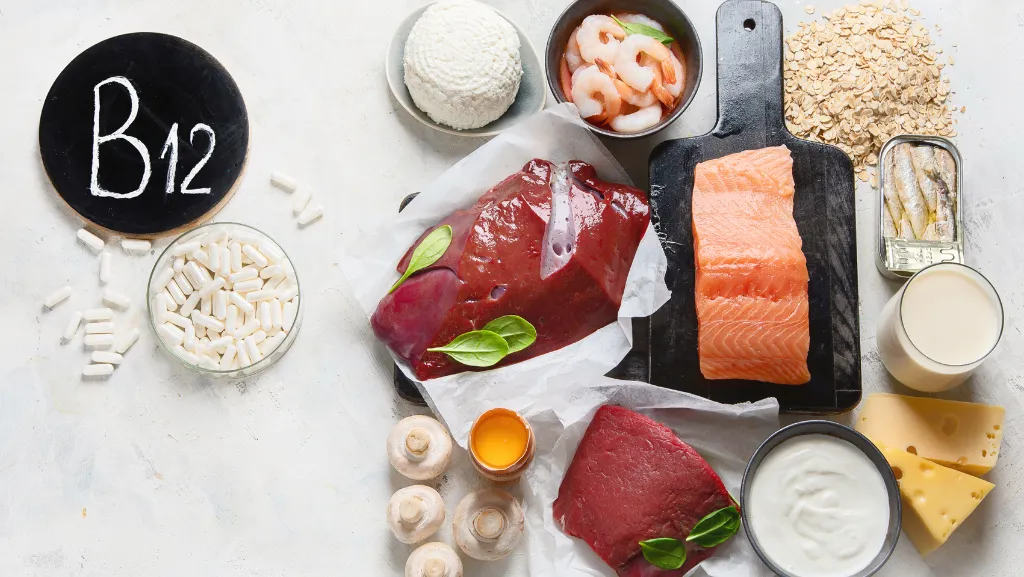
In severe cases, nutritional deficiencies may occur, including deficiencies of vitamin B12, vitamin D and iron. In most cases, however, they are subtle or undetectable. Some patients also experience fatigue and poor concentration.
SIBO - complications
In SIBO, pathological bacterial colonization causes numerous disturbances, which include damage to the mucosa, competition with the host for nutrients, and the effects of the secretion of bacterial metabolites:
- abnormal carbohydrate digestion - due to the loss of enzymes
- increased intestinal permeability
- liver damage and inflammation, systemic inflammatory reactions
- vitamin B12 deficiency, megaloblastic anemia
- vitamin B1 deficiency
- vitamin B3 deficiency
- protein deficiency
- bloating resulting from abnormal carbohydrate digestion
- diarrhea caused by the action of unbound bile acids in the colon, depletion of the bile acid pool leading to malabsorption of fats and fat-soluble vitamins
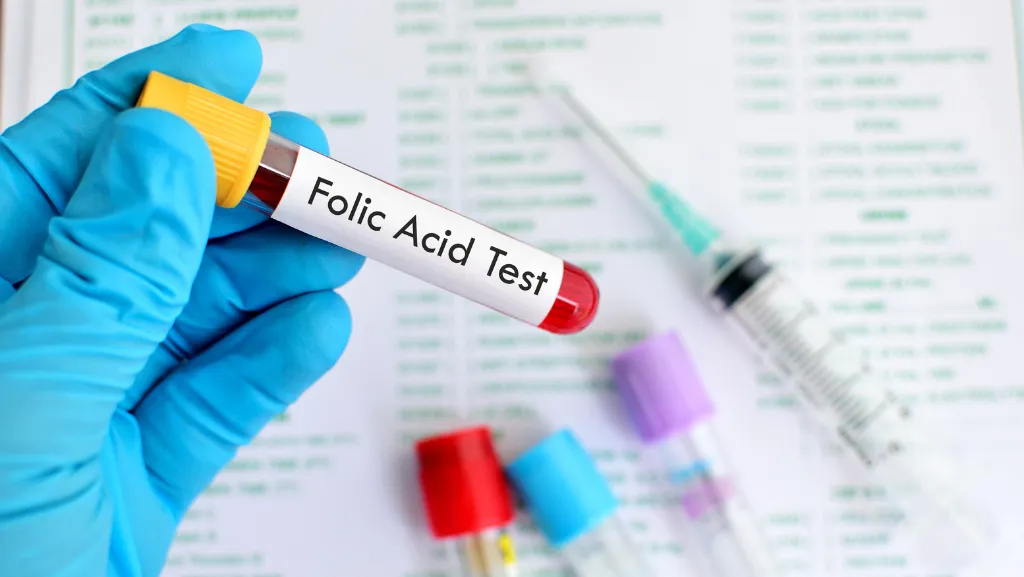
- high folic acid levels
- overproduction of vitamin K
SIBO - how to treat it?
In the treatment of SIBO, the use of the antibiotic Xifaxan with the active substance rifaximin is suggested. It is a non-absorbable drug that acts mainly in the intestines. The overall success of antibiotic therapy is approximately 73%, and adverse effects occur in about 5%.
SIBO - diet
In SIBO, the primary recommendations are mindful eating, keeping intervals between meals, and giving up snacking. According to numerous studies, people who showed irregularity in their meals tended to experience problems with frequent and severe abdominal pain.
Studies suggest that proper eating patterns may be a key element in preventing functional gastrointestinal disorders.
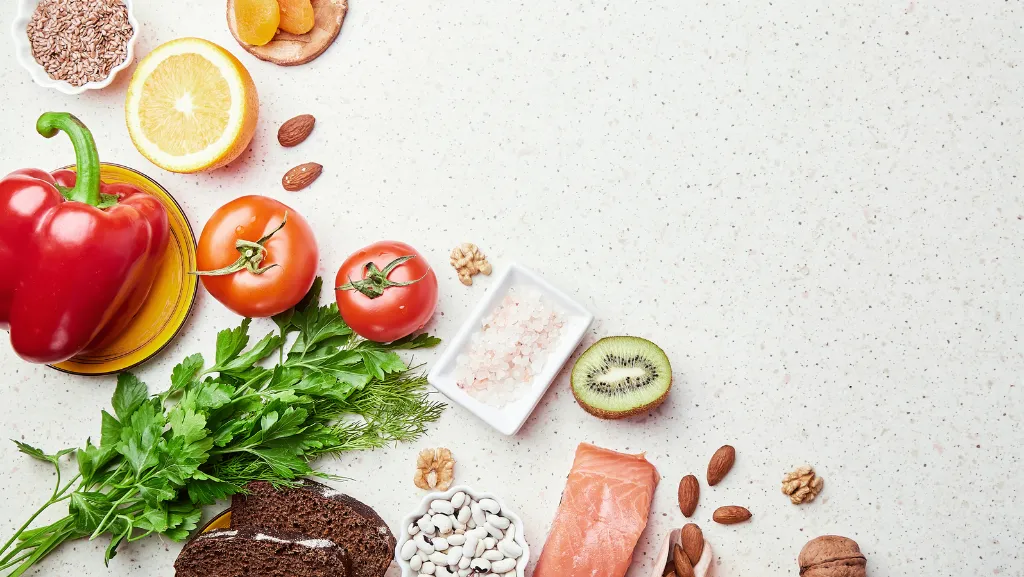
There are many proposed mechanisms by which dietary manipulation may be beneficial in the treatment of SIBO. The most common recommendation is the reduction of fermenting products.
In most cases, a diet with a low FODMAP content is proposed. This is a group of foods whose restriction is associated with fewer fermentation products in the intestines.
The low FODMAP diet has 3 stages and should be conducted under the supervision of a dietitian.
Phase 1 of the diet consists of consuming only foods with a low FODMAP content. This phase lasts for a period of 2-6 weeks.
Phase 2 of the diet is reintroduction. It consists of reintroducing the previously eliminated foods in order to determine which foods trigger symptoms and which do not.
Each FODMAP subgroup should be reintroduced separately while maintaining the earlier principles of the low FODMAP diet. Completing the reintroduction stage takes about 6 to 8 weeks.
Phase 3 of the diet is personalization. In this stage, the dietitian determines which foods trigger your symptoms and which you can freely consume in your diet.
SIBO and probiotics
Currently, there are no official recommendations regarding the use of probiotics in SIBO. Much is said about single-strain therapy, that is, probiotics with a single strain - Saccharomyces boulardii (CNCM I 745) or Lactobacillus reuteri (DSM 17938) - however, these studies require a larger number of trials.
SIBO and insulin resistance
How do you combine a diet for SIBO and insulin resistance? The recommendations will differ depending on the stage you are at.
If you have been diagnosed with SIBO that co-occurs with insulin resistance, you should start by introducing a low FODMAP diet with attention to the glycemic load of meals. However, such a diet is not recommended to be used on your own. The low FODMAP protocol cannot be used permanently.
If, on the other hand, you have already completed the FODMAP protocol and you know which foods do not serve your SIBO, apply a low GI diet while excluding those foods.
Why does SIBO recur?
Unfortunately, we come across data showing that SIBO often returns after treatment with antibiotics. In one study, it was assessed that out of 80 adults after antibiotic treatment, 12.6% experienced a recurrence after 3 months, 27.5% after 6 months and 43.7% after 9 months.
It is important to try to find the cause of SIBO. Sometimes it is a separate disease condition that needs to be addressed. Sometimes it is an organic problem that can be resolved surgically. The high percentage of recurrences may result from a cause that is not always possible to cure.
Bibliography
Pimentel M. et al.: ACG Clinical Guideline: Small Intestinal Bacterial Overgrowth. The American Journal of Gastroenterology. 2020, 115(2):p 165-178
Bushyhead D. et al.: Small Intestinal Bacterial Overgrowth-Pathophysiology and Its Implications for Definition and Management. Gastroenterology. 2022, 163(3):593-607
Monash University, What's the go with SIBO??? https://www.monashfodmap.com/blog/whats-go-with-sibo/ (accessed: 16.07.2023)
Wielgosz-Grochowska J.P. et al.: Efficacy of an Irritable Bowel Syndrome Diet in the Treatment of Small Intestinal Bacterial Overgrowth: A Narrative Review. Nutrients, 2022, 14(16):3382
Delbaere K. et al.: The small intestine: dining table of host-microbiota meetings. FEMS Microbiol Rev. 2023, 47(3)
Buskyhead D. et al: Small Intestinal Bacterial Overgrowth - Pathophysiology and Its Implications for Definition and Managment. Gasteroenterology, 2022, Volume 163, Issue 3, P593-607
Consultation with a dietitian
Interested in changing your
eating habits?