
What is insulin resistance?
Agnieszka Słonina, clinical dietitian
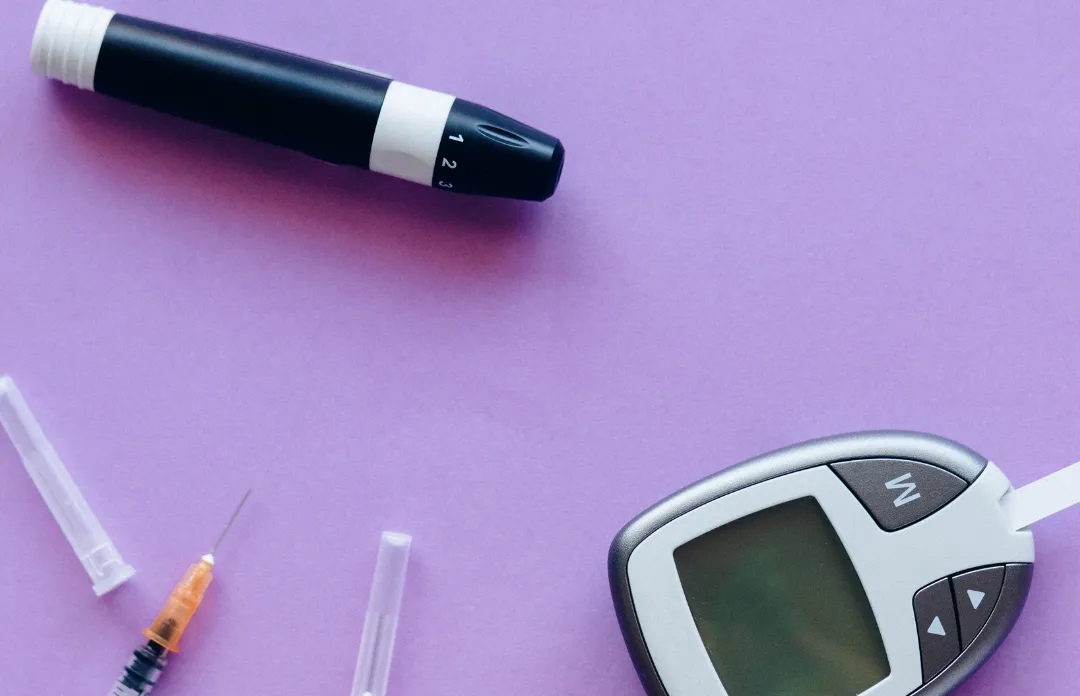
The article explains what insulin and insulin resistance are, and the differences between insulin resistance, prediabetes, and diabetes. We discuss the causes, risk factors..
Insulin resistance - what is insulin?
Insulin is a hormone secreted by the pancreas. This hormone helps glucose move from the blood into muscle, fat, and liver cells, where it is then used to produce energy.
Glucose comes from our food. The liver is also able to produce glucose on its own in situations where its supply is limited. After eating a meal, the level of glucose in the blood, colloquially also called sugar, rises. The pancreas then releases insulin into the blood. Insulin's job is to lower the concentration of glucose in the blood to normal values, packing it into the tissues.
The glucose-insulin scheme under normal conditions looks like this:
- the food you eat is converted into glucose
- glucose enters the bloodstream, which signals the pancreas to release insulin
- insulin helps glucose reach the body's cells so that it can be used there to produce energy
- at the same time, insulin signals the liver to store some of the glucose "for later"
- glucose reaches the cells, so its level in the blood drops, which signals the pancreas to also lower the amount of insulin
- a low insulin level signals the liver to release some of the stored glucose, so that energy is constantly available
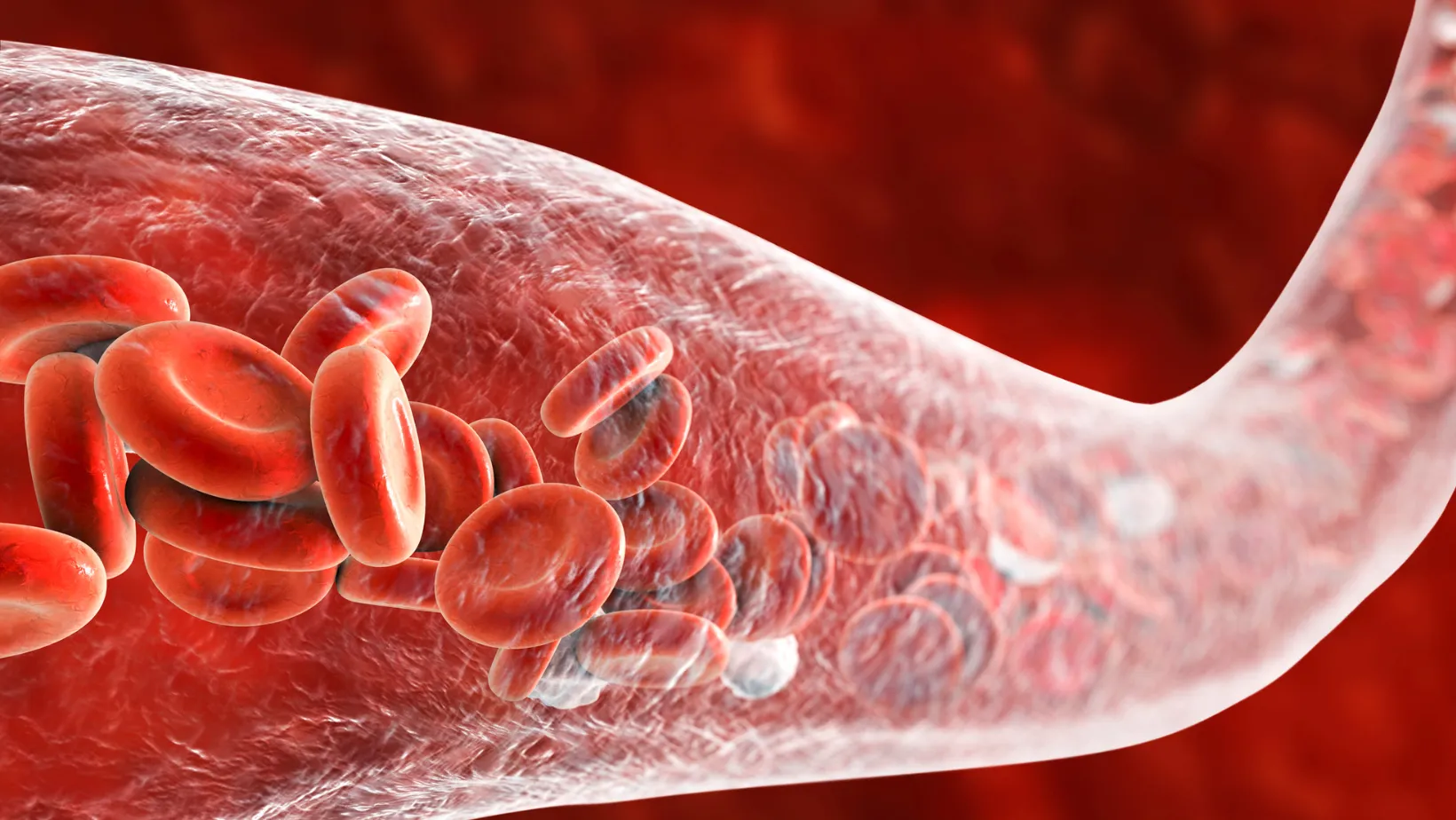
What is insulin resistance?
Insulin resistance is also described as a state of impaired sensitivity to insulin. It occurs when the cells of fat, muscle, and liver tissue cannot respond properly to insulin, so they are unable to take up glucose. As a result, the pancreas produces more insulin to prevent an elevated blood glucose level and to help glucose get into the cells, where it is needed most.
As long as the pancreas is able to produce high amounts of insulin, the glucose level usually stays within the normal range. If the cells become too resistant to insulin, this leads to an elevated blood glucose level, which over time can bring about prediabetes and type 2 diabetes.
The glucose-insulin scheme under abnormal conditions:
-
a lot of glucose enters the bloodstream (from our food)
-
the pancreas secretes more and more insulin to pack the sugar into the cells
-
over time the cells stop responding to insulin - they become insulin resistant
-
the pancreas produces even greater amounts of insulin so that the cells respond to it - this is where hyperinsulinemia begins
-
after some time the pancreas cannot keep up, and as a result the blood sugar level is too high - this is the prelude to **type 2 diabetes
**
Too high a level of sugar in the blood is harmful to the body. A high insulin level tries to signal the liver and muscles that glucose needs to be stored. When they are full, the liver sends the excess glucose to the fat cells so that it can be kept as body fat. All of this contributes to weight gain.
How does insulin resistance differ from prediabetes and diabetes?
Prediabetes develops in people who are insulin resistant or in people whose pancreas is no longer able to produce such high levels of insulin. Without an adequate level of insulin, glucose does not reach the cells and so it remains in the bloodstream. In this way prediabetes develops. The glucose level is higher than normal but not high enough to diagnose diabetes. Over time, this can lead to the development of type 2 diabetes.
Insulin resistance very often precedes the development of type 2 diabetes by 10 to 15 years. Meanwhile, people with prediabetes have up to a 50% risk of developing diabetes within 5 to 10 years.
In the United States, 1 in 3 adults has prediabetes. Type 2 diabetes, on the other hand, is projected to reach more than 600 million people worldwide by 2035.
Glucose level results for prediabetes:
-
impaired fasting glucose 100-125 mg/dl
-
impaired glucose tolerance 140-199 mg/dl
Glucose level results for type 2 diabetes:
-
blood glucose level measured at any time of day >/ 200 mg/dl + symptoms of diabetes = diagnosis of type 2 diabetes
-
fasting glucose level >/ 126mg/dl on two occasions = diagnosis of type 2 diabetes
-
glucose level 2h after OGTT >/ 200 mg/dl = diagnosis of type 2 diabetes
-
glycated hemoglobin value >/ 6.5% = diagnosis of diabetes
What are the causes and risk factors of insulin resistance?
So far it is difficult to point to direct causes of insulin resistance, but among the risk factors the following are listed:
- excess body fat: it is estimated here that excess body fat around the waist is the main cause of insulin resistance. Fat tissue is an organ with the ability to create hormones and other substances that can cause long-lasting inflammation in the body. It is precisely this inflammation that can cause insulin resistance.
- lack of physical activity: physical activity itself significantly increases the tissues' sensitivity to insulin and builds muscle, which can absorb glucose from the blood. A lack of physical activity and, generally, a sedentary lifestyle can contribute to the accumulation of body fat.
- improper diet: it is thought that a diet with a large amount of highly processed products rich in carbohydrates and saturated fatty acids is linked to insulin resistance. Our body digests these types of products very quickly, which as a result can cause a rapid rise in blood sugar. Such a phenomenon additionally burdens the pancreas, which is forced to produce a large amount of insulin. Over time this can lead to the development of insulin resistance.
- medications: listed here are steroids, some blood pressure medications, some HIV medications, and some psychiatric medications
- age: it can cause insulin resistance through reduced production of glucose transporters (GLUT-4)
- excess salt in the diet: high intake of sodium, which is a component of salt, is linked to increased production of glucocorticoids and the occurrence of insulin resistance
- genetic factors
- the presence of certain diseases e.g. polycystic ovary syndrome
- increased production of insulin antagonists: a number of disorders are linked to this effect, such as, among others, Cushing's syndrome, acromegaly, and stress states
- the presence of diabetes in first-degree relatives (in parents or siblings)
- high blood pressure levels and abnormal cholesterol levels
- the occurrence of gestational diabetes
- the occurrence of heart disease or stroke
- sleep disorders, such as sleep apnea
- cigarette smoking
It is important to point out that you do not have to be overweight for insulin resistance to occur.
What are the symptoms of insulin resistance?
- difficulty in reducing body weight
- frequent cravings for sweet and salty snacks, so-called ravenous appetite
- a frequent feeling of hunger occurring about 2-3 hours after a meal
- a persistent feeling of cold
- general fatigue
- skin changes (acanthosis nigricans) around the groin, under the armpits, and at the back of the neck
- joint pain
- headaches and a feeling of a "heavy head"
- irritability
- excessive drowsiness after a meal (especially a carbohydrate one)
- weight gain
- general low mood
- mental "fog"
- problems with memory and concentration
- high blood pressure
- frequent urination
- a feeling of tingling in the hands or feet

What diseases can insulin resistance lead to?
Insulin resistance carries a risk of many diseases, among others
- atherosclerosis
- hypertension
- cardiomyopathy
- obesity
- type 2 diabetes
- Alzheimer's
- cancer of the breast, uterus, cervix, colon, prostate, kidneys, pancreas, esophagus
- polycystic ovary syndrome
- infertility
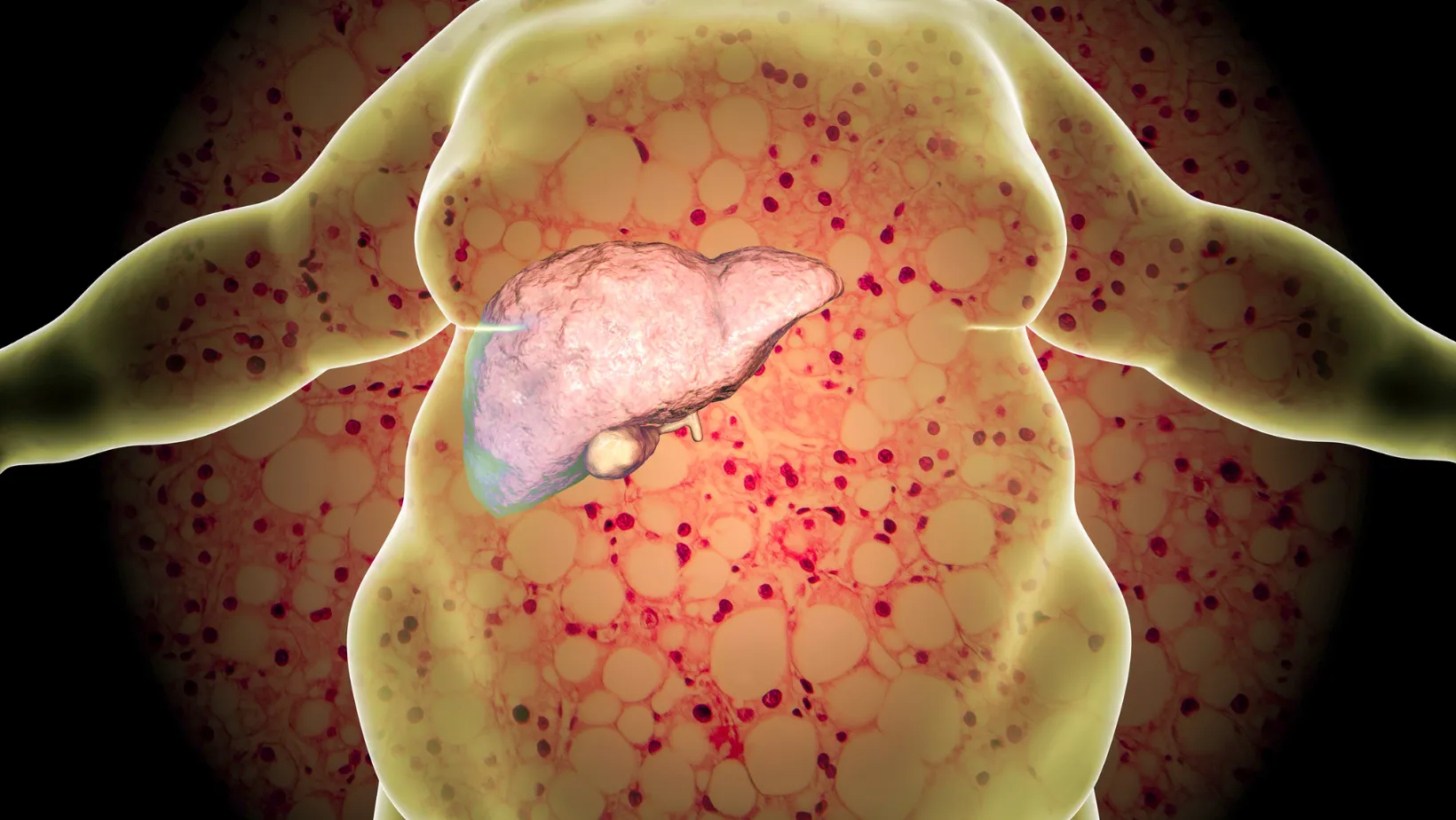
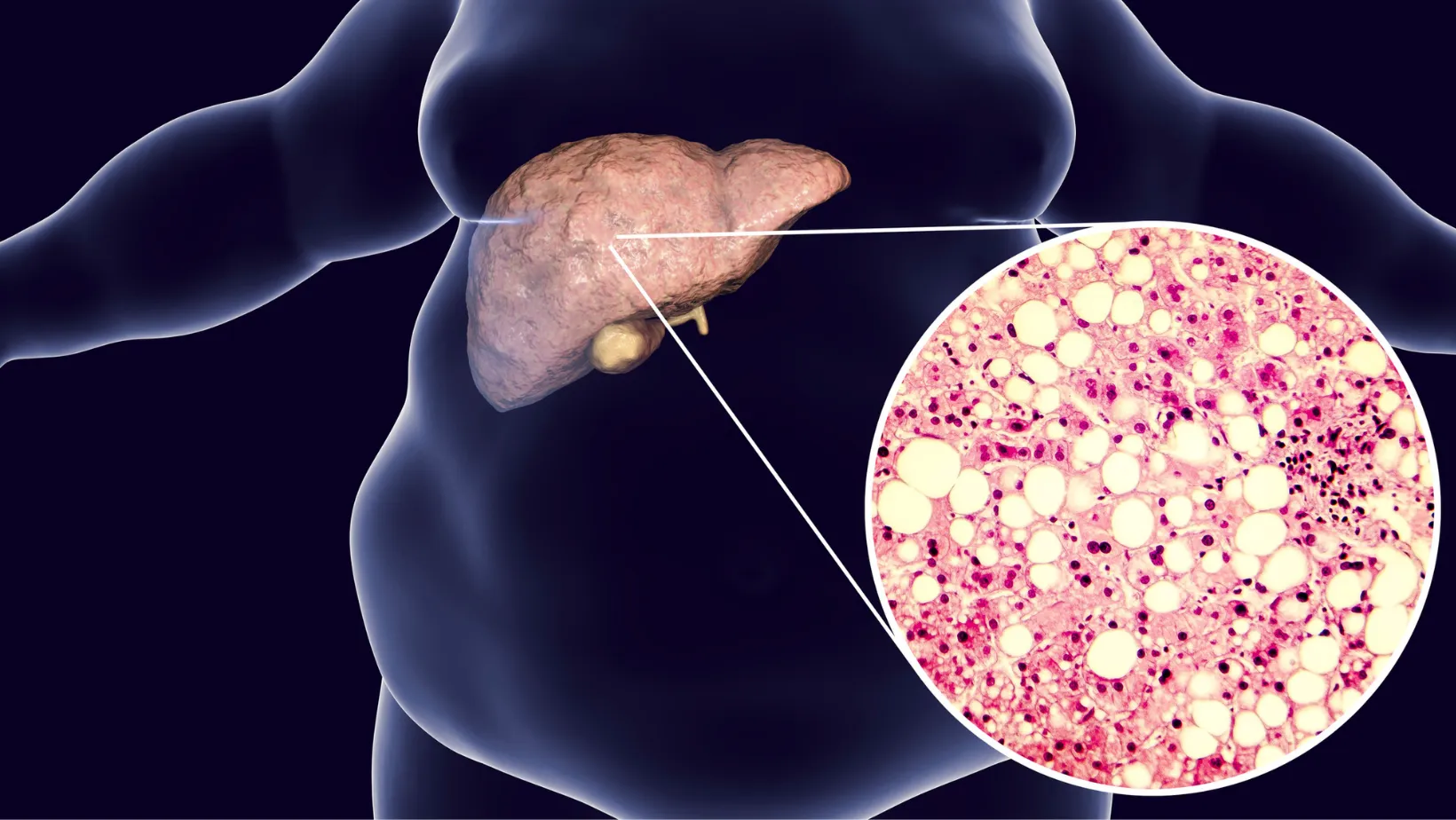
- metabolic dysfunction associated with fatty liver
- chronic kidney disease
Metabolic (dysfunction) associated with fatty liver and insulin resistance
Non-alcoholic fatty liver disease (NAFLD) is one of the most common liver diseases in the world. It is estimated that NAFLD occurs in almost 1/5 of the population globally. It encompasses a range of diseases, such as:
- simple fatty liver (NAFL)
- non-alcoholic steatohepatitis (NASH)
- liver cirrhosis
- liver cancer
Recently, experts have jointly agreed to change the disease's abbreviation from NAFLD to metabolic dysfunction-associated fatty liver disease (MAFLD).
It turns out that over almost 20 years of observation, 16% and 9% of patients with MAFLD developed advanced liver fibrosis and end-stage liver disease, respectively.
Patients with MAFLD belong to the group at greatest risk of developing type 2 diabetes. MAFLD is associated with about a twofold increase in the risk of developing type 2 diabetes over an average period of 5 years. Additionally, metabolic diseases often co-occur with MAFLD, including:
- obesity (51.34%)
- type 2 diabetes (22.51%)
- dyslipidemia (69.16%)
- arterial hypertension (39.34%)
- metabolic syndrome (42.54%).
Polycystic ovary syndrome and insulin resistance
Polycystic ovary syndrome (PCOS) is a disease characterized by elevated levels of androgens, ovulation disorders, and morphological abnormalities. Androgens are sex hormones that predominate in men. In small concentrations they also occur in women.
PCOS affects 5-10% of women of reproductive age, causing problems with infertility. Obesity and insulin resistance are considered the dominant factor in the development of PCOS. Moreover, women with PCOS show a higher risk of the occurrence of diseases coexisting with insulin resistance than healthy women, including:
- obesity
- dyslipidemia
- arterial hypertension
- type 2 diabetes
Among women suffering from PCOS, 50-80% are obese women, 30-35% are women with impaired glucose tolerance, and 8-10% are women with diabetes or with a family history of diabetes. Women with PCOS also struggle with serious problems during pregnancy, such as the risk of gestational diabetes or obstructive sleep apnea. It has been found that in overweight or obese patients with PCOS there is increased insulin secretion, which results in insulin resistance and hyperinsulinemia.

Cardiovascular diseases and insulin resistance
Cardiovascular diseases is a broad term for any disorders related to the work of the heart or blood vessels. The most common cardiovascular diseases include:
- arterial hypertension
- ischemic heart disease
- stroke
- cerebrovascular disease
- rheumatic heart disease
Cardiovascular diseases are the leading cause of death worldwide. The WHO estimates that this group of diseases takes 17.9 million lives annually. Deaths from cardiovascular diseases accounted for 32% of all deaths in the world in 2019.
Currently, the mechanisms of insulin resistance can favor the occurrence of cardiovascular diseases through:
- chronic hyperglycemia
- dyslipidemia
- endothelial dysfunction
- elevated inflammation
In particular, a role is played by fasting hyperglycemia, which occurs due to insulin-resistant liver cells. A state of increased fasting glucose level:
- increases the total concentration of triglycerides
- raises blood pressure
- reduces the concentration of good HDL cholesterol
- increases the risk of thrombosis
Additionally, it has been confirmed that type 2 diabetes and the hyperglycemia occurring with it are a significant risk factor for cardiovascular diseases. Moreover, insulin resistance induces dyslipidemia characterized by elevated total cholesterol, the LDL cholesterol fraction, or elevated triglycerides. Additionally, in the course of insulin resistance the good HDL cholesterol is lowered. All these changes in the lipid profile increase the frequency of occurrence of cardiovascular diseases by 32% in men and 76% in women.

Alzheimer's disease and insulin resistance
Alzheimer's disease is a progressive neurodegenerative disease that leads to gradual damage to the cells that make up the nervous system. Recent studies confirm that insulin resistance increases the risk of Alzheimer's disease and related dementias.
It has been noted that insulin receptors occur in almost every type of cell in the brain, with the highest expression, in order, in the:
- olfactory bulb
- cerebral cortex
- hippocampus
- hypothalamus
- cerebellum
Therefore it is estimated that insulin also plays an important and diverse role in brain function and the development of Alzheimer's disease. Just like systemic insulin resistance, brain insulin resistance can be defined as an abnormal response of brain cells to insulin.

Chronic kidney disease and insulin resistance
Chronic kidney disease is associated with a gradual loss of kidney function and an inability to filter the blood. Furthermore, chronic kidney disease is a major factor in:
- end-stage kidney failure
- cardiovascular diseases
Insulin resistance is a common and very early change in chronic kidney disease, which is visible even when the glomerular filtration rate (GFR) still falls within the normal range. Insulin resistance occurs more and more frequently at lower and lower GFR values and is almost universal in end-stage kidney failure.
Importantly, insulin resistance in patients with chronic kidney disease is closely linked to risk factors that subsequently contribute to cardiovascular diseases, including:
- oxidative stress
- chronic inflammation
- endothelial dysfunction
Cancers and insulin resistance
Numerous studies suggest that insulin resistance increases the risk of many cancers, including cancer of the:
- colon
- liver
- pancreas
- breast
- endometrium
- thyroid
- stomach
More and more evidence indicates that an increased concentration of insulin has a decisive influence on the initiation and progression of cancer in patients with insulin resistance. The increased risk of cancer in patients with insulin resistance may be caused by excessive production of reactive oxygen species, which impair DNA's involvement in mutations and carcinogenesis.
Diagnosis of insulin resistance
Insulin resistance is difficult to diagnose because there is no single routine and standardized test that would identify it. Consequently, in order to diagnose insulin resistance, indirect methods are most often used. Among them we find:
- the HOMA-IR index and the HOMA2 index - both of these markers are based on the results of fasting glucose and insulin concentrations
- the quantitative insulin sensitivity check index (QUICKI) - a marker calculated based on fasting glucose and insulin concentrations
- the Matsuda index - an index calculated based on the oral glucose tolerance test (OGTT) together with the insulin curve
Among additional measurements, one can also perform glycated hemoglobin. This is an indicator that will allow us to assess the average blood glucose level over the last 3 months.
The glucose tolerance test can determine how our body copes with glucose after a meal - often before the fasting blood glucose level becomes abnormal.
Additionally, the fasting insulin concentration can be assessed - the range <15 mU/l is reserved as normal for people with normal body weight, while the range <25 mU/l is reserved as normal for obese people.

**
How to treat insulin resistance?**
Even if there is no possibility of overcoming insulin resistance completely, there are several ways to increase the cells' sensitivity to insulin:
- physical activity: it is probably the best weapon in the fight against insulin resistance. Exercise can radically reduce insulin resistance both in the short and long term. Physical activity additionally creates a separate kind of gate for glucose and allows it to reach muscle cells without the intermediation of insulin.
- body weight reduction: it can also effectively reduce the severity of insulin resistance. There is no single diet that has been recognized as the gold standard in insulin resistance. There is, however, evidence that some diets rich in carbohydrates and low in fats can worsen insulin resistance.
- medications: there are no medicines that have been officially approved in the treatment of insulin resistance. Some medicines used in the treatment of type 2 diabetes, such as metformin, can increase the cells' sensitivity to insulin
In the case of people at high risk of developing type 2 diabetes, losing 5 to 7% of the initial body weight helped reduce the risk of developing this disease by 58%.
The above lifestyle modifications over time can also:
- lower the blood glucose level
- lower blood pressure
- lower triglycerides and bad LDL cholesterol
- increase good HDL cholesterol

Bibliography
- Govers E., Slof E., Veerkoelen H. et al.: Guideline for the Management of Insulin Resistance. Sci Forschen, 2015, 1.4, 2380-548X
- National Institute of Diabetes and Digestive and Kidney Diseases, 2018. Insulin Resistance & Prediabetes, https://www.niddk.nih.gov/health-information/diabetes/overview/what-is-diabetes/prediabetes-insulin-resistance (accessed: 23.01.2023).
- American Diabetes Association, Understanding Insulin Resistance, https://diabetes.org/healthy-living/medication-treatments/insulin-resistance (accessed: 23.01.2023).
- Olatunbosun S.T., 2020. Insulin Resistance, https://emedicine.medscape.com/article/122501-overview (accessed: 23.01.2023).
- Li M., Chi X., Wang Y. et al.: Trends in insulin resistance: insights into mechanisms and therapeutic strategy. Sig Transduct Target Ther, 2022, 7, 216, https://doi.org/10.1038/s41392-022-01073-0
- Freeman M.A., Pennings N.: Insulin Resistance. StatPearls, 2022, https://www.ncbi.nlm.nih.gov/books/NBK507839/
- Cleveland Clinic, 2021. Insulin Resistance, https://my.clevelandclinic.org/health/diseases/22206-insulin-resistance (accessed: 23.01.2023).
- Sakurai Y., Kubota N., Yamauchi T. et al.: Role of Insulin Resistance in MAFLD. Int J Mol Sci. 202, 22(8):4156. doi: 10.3390/ijms22084156
- Xu Y., Qiao J.: Association of Insulin Resistance and Elevated Androgen Levels with Polycystic Ovarian Syndrome (PCOS): A Review of Literature. J Healthc Eng, 2022, 2022:9240569. doi: 10.1155/2022/9240569
- Spoto B., Pisano A., Zoccali C.: Insulin resistance in chronic kidney disease: a systematic review. Am J Physiol Renal Physiol, 2016, 311(6):F1087-F1108. doi: 10.1152/ajprenal.00340.2016

Consultation with a dietitian
Interested in changing your
eating habits?