
Diet in Insulin Resistance
Agnieszka Słonina, clinical dietitian

Dive into the topic of diet in insulin resistance and learn the role of carbohydrates, protein and fiber. You will understand the glycemic index and find out what raises and lowers it. Discover recommended and forbidden products, the role of eggs and how to read labels.
Insulin resistance most commonly occurs in people with obesity. However, there are a few exceptions to the rule, and this disorder can also develop in people with a normal body weight who are genetically predisposed to it.
"Insulin resistance (IR) means reduced sensitivity of the body's cells to the action of insulin - the hormone responsible for the proper metabolism of carbohydrates and, to a lesser extent, fats"
Reduction of body weight, and more precisely of body fat, is considered the most important factor with a significant impact on improving insulin sensitivity. It is worth emphasizing that there is no single diet recognized as the most effective at improving insulin resistance parameters.
A reduction of 5-10% of initial body weight and maintaining a normal body weight lead to a significant improvement in insulin sensitivity. Additionally, normalizing body weight limits the development of conditions that often coexist with insulin resistance, such as:
- obesity
- polycystic ovary syndrome
- hypertension
- dyslipidemia
- type 2 diabetes

Research is fairly consistent in showing that the source of the products present in the diet and their quality matter more than, most likely, the percentage share of carbohydrates, proteins or fats. There is also no universal diet for every person with insulin resistance. For example, in the treatment of type 2 diabetes, the Mediterranean, DASH, flexitarian or plant-based diets are used.
Carbohydrates
Scientific evidence increasingly emphasizes that the quality of carbohydrates in the diet matters. It is worth choosing whole-grain products, which are a source of fiber. A diet high in carbohydrates and fiber and with a low glycemic index appears to have a protective effect against the development of type 2 diabetes. According to the Polish Diabetes Society, long-term use of reduced-carbohydrate diets, as well as fasting regimens, is not recommended.
The risk of type 2 diabetes is 25% lower with an intake of whole-grain carbohydrates at 50g/day. In contrast, consuming 200-400g of refined carbohydrate sources per day was associated with a 6-14% increased risk of type 2 diabetes.
Protein
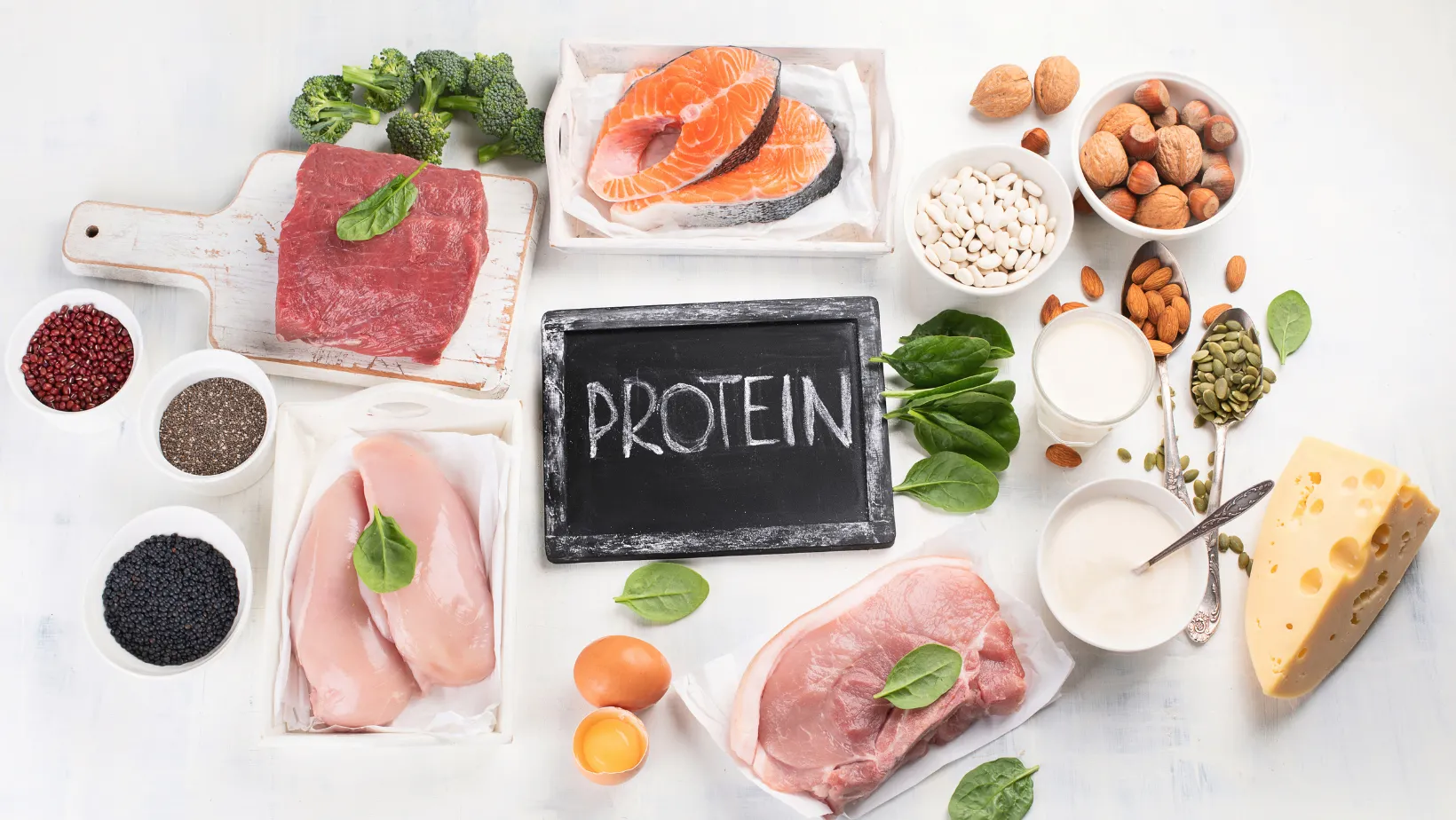
It is not entirely clear whether the share of protein in the diet of people with insulin resistance improves its parameters on its own. A higher share of protein also means a smaller share of carbohydrates or fats.
Diets containing large amounts of animal protein and small amounts of vegetables are associated with an increased risk of insulin resistance and type 2 diabetes. It is also emphasized that in the dietary treatment of insulin resistance, the source of protein matters. Replacing animal protein with plant protein has a beneficial effect on insulin resistance. Increased protein intake in the diet may be effective in the short term for maintaining the effects of weight reduction and improving insulin sensitivity. Long-term high-protein diets without an energy deficit may promote the development of insulin resistance.
Additionally, it has been shown that dairy has a preventive effect in type 2 diabetes. It is worth noting, however, that low-fat dairy and fermented dairy products, such as yogurt, should be chosen. Dairy consumption (primarily low-fat) reduced the risk of developing type 2 diabetes by 6% for a portion of 400-600 g/day.
Dietary fiber
Dietary fiber intake can lower the risk of insulin resistance and the risk of developing type 2 diabetes by 20 to 30%. Fiber has the ability to reduce or slow down the absorption of carbohydrates from the digestive tract.
It has been confirmed that the consumption of whole-grain products, which are a source of fiber, reduced the incidence of insulin resistance in people with obesity. The American Diabetes Association states that >/50% of grain products in the diet of people with type 2 diabetes should be whole grain. The minimum daily amount of fiber in the diet should be 25g or 15g/1000 kcal of the diet (for adults).
Whole-grain products should be introduced gradually. This means that we should not swap all grain products for whole-grain ones at once. A sensible approach is to introduce a new group of whole-grain products each week, which will help limit gastrointestinal complaints.
Glycemic index vs glycemic load
The lower the glycemic index of a product, the less it raises blood sugar levels after consumption. It is worth noting that the glycemic index refers to the consumption of a specific product in a specific portion. Product portions are selected based on the amount of digestible carbohydrates in the product (most often 50g of digestible carbohydrates of a given product is used for comparison).
Glycemic index values are divided into:
- /<55 low glycemic index
- 56-69 medium glycemic index
- >/ 70 high glycemic index
The glycemic index therefore tells us about the quality of a product and the speed at which carbohydrates are absorbed into the bloodstream for a specific portion.
Glycemic load (GL), on the other hand, is a measure that is more sensitive to the portion of the product. This indicator takes into account not only the GI of the product we consume, but also its quantity. Thanks to this, we can learn the actual impact of a given product on glucose levels.
Glycemic load values are divided into:
- </ 10 low glycemic load
- 11-19 medium glycemic load
- >/20 high glycemic load
Products with a high GI eaten in small amounts can have the same effect on insulin secretion as products with a low GI eaten in large amounts. It all comes down to the portion of the product.
Let us also remember that a low GI does not always mean that a product is healthy for us.
Diets with a high glycemic index and load are associated with an increased risk of insulin resistance or reactive hypoglycemia. In contrast, diets with a low GI and GL are more effective at improving insulin sensitivity.

**What raises the glycemic index?
**
Factors that raise the GI:
- high ripeness, e.g. of fruit
- a highly fragmented (finely processed) product
- low content of proteins, fats and organic acids
- roasting and cooking
- the structure of the grain/starchy product (low amylose-to-amylopectin ratio)
- low fiber content
What lowers the glycemic index?
Factors that lower the GI:
- the structure of the grain/starchy product (high amylose-to-amylopectin ratio)
- the presence of fructose
- high fiber content
- chilling products
- low ripeness, e.g. of fruit
- high content of proteins, fats and organic acids
- low degree of fragmentation
Recommended and forbidden products in insulin resistance
In insulin resistance, there is no point in excluding specific groups of products. It is worth basing the diet on products that are as minimally processed as possible. Excessive dietary restrictions can only make it harder to stick to a sensible diet.
It is worth using the 80/20 approach. This rule involves basing 80% of the diet on foods consistent with the recommendations for insulin resistance, and 20% on recreational products, if we feel the need. A useful strategy is to eat recreational products, such as chocolate, right after a balanced meal. This way, they will not significantly affect our glycemia.
There are no forbidden products; what matters is relying on sensible portions and an overall healthy approach to the diet. However, it is worth limiting the intake of:
- highly processed products
- processed meat
- refined carbohydrates
- sugar and sweetened beverages
- high-salt products
- trans fats
- alcohol
Consumption of processed meat at 50g/day was associated with a 30% increase in the risk of developing type 2 diabetes.

What about eggs in insulin resistance?
Research is quite divided, but recent data show that egg consumption has a small though significant effect on raising the risk of developing type 2 diabetes, but only in the American population. No such relationship was observed in the Asian or European populations, and this may be closely related to what we actually eat eggs with. Reasonable egg consumption over the course of a week shows no effect on the risk of developing type 2 diabetes.
How to read labels?
When you have to deal with insulin resistance, the ability to read food product labels will become your most important weapon. How to do it?
Let's start with the fact that, under current food law, the ingredients in a product must be listed in descending order. So if a product has sugar or its derivatives in 1st place in the ingredient list, we already know that sugar makes up the main part of that product. On the other hand, when sugar or its derivatives are at the end of the list, we can know that it makes up the smallest part of it. But how do we know how much sugar is actually in the product?
The nutrition facts table on the product comes to our aid. In the table section we will find the item "carbohydrates", and below it "of which sugars". Let us also remember to pay attention to the amount of product for which the given number of sugars is stated. Depending on the ingredient list, the stated number will describe the actual amount of sugar in the product.
If we do not find any sources of sugar or its other derivatives in the ingredient list, we can be sure that it is sugar naturally present in the product, not industrially added. An example of such a product is lactose in milk.
In a situation where the ingredient list shows that the product is sweetened and we do not find any other "natural" sources of sugar there, such as fruit, we can be sure that the "of which sugars" line refers 100% to industrially added sugars.
An example of such a product is hard candy, in which sugar is not naturally present in any way and has been added exclusively industrially.
We have a different situation when the ingredient list shows that the product contains both naturally occurring sugars and industrially added sugars. We see this situation in most flavored yogurts. In that case, the amount of added sugar can to some extent be calculated or estimated by subtracting from the amount of sugars stated on our product the amount of sugars an average plain yogurt has (resulting from the presence of lactose). This way we can find out the estimated amount of sugar added to the product.
Of course, there may also be situations where only the manufacturer knows the amount of added sugar and it remains their sweet secret. When do such situations occur? When the product has many sources of natural and added sugar. In such a situation, it is impossible to calculate the amount of industrially added sugar.
Do we have to do such calculations every time? Of course, it is not a bad habit, especially in the case of insulin resistance or type 2 diabetes. However, above all, it is worth avoiding products in which we find added sugar - for instance in the first few places in the ingredient list.
People with insulin resistance should also watch out for other sources of sugar, such as:
- glucose-fructose syrup
- maple syrup
- agave syrup
- date syrup
- rice syrup
- sucrose
- cane sugar
- coconut sugar
- any of the above in the organic (BIO) variant

Proper meal composition in insulin resistance
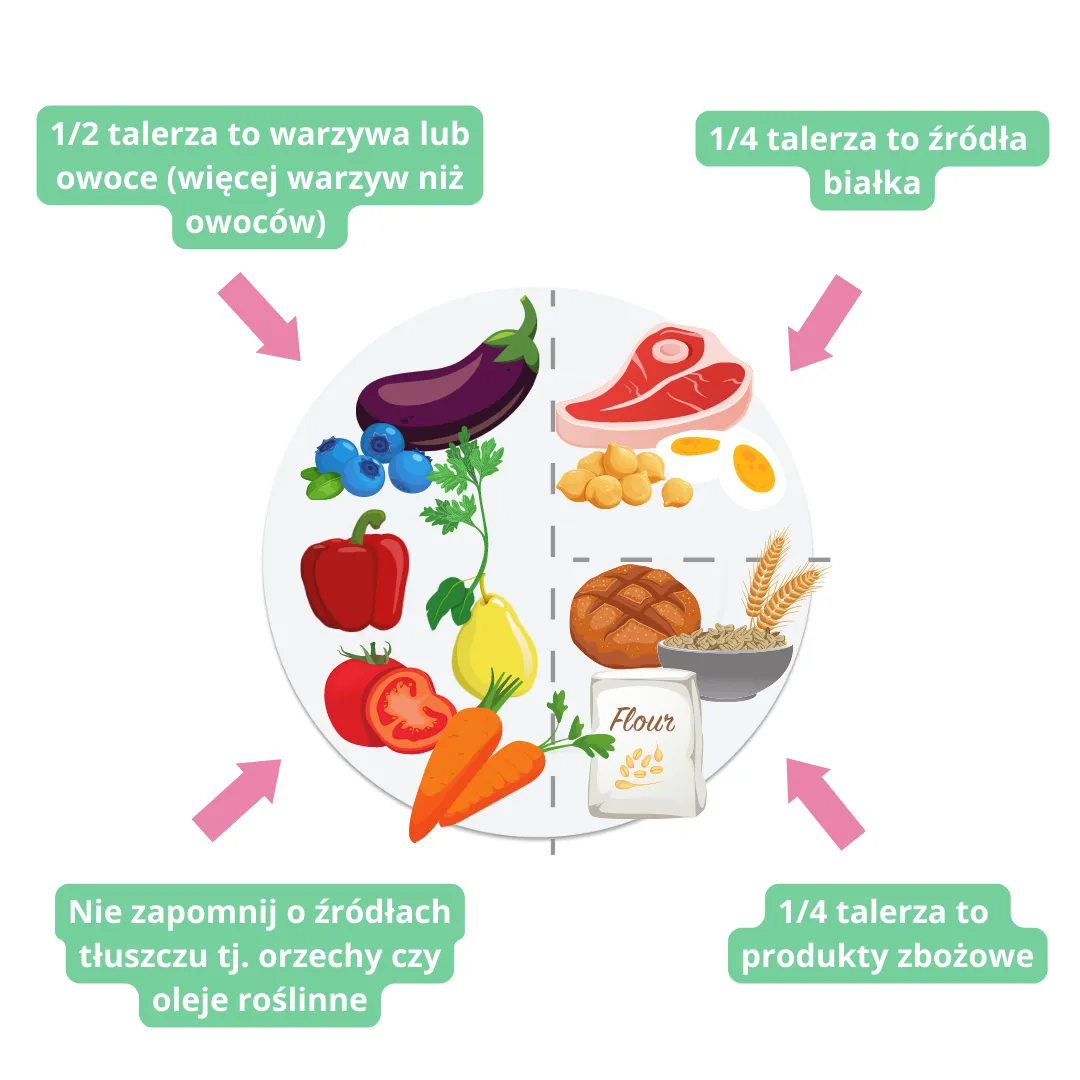
A properly composed meal in insulin resistance should contain all food groups. Thanks to this, glucose will be absorbed in the most optimal way, which will allow us not only to stay full for longer, but also to increase the cells' sensitivity to insulin.
We should make sure that every meal contains carbohydrates, proteins, fats and vegetables or fruit (with a quantitative advantage for vegetables over the course of the whole day).
- as for carbohydrates - it is worth choosing whole-grain ones, e.g. whole-grain pasta instead of regular pasta
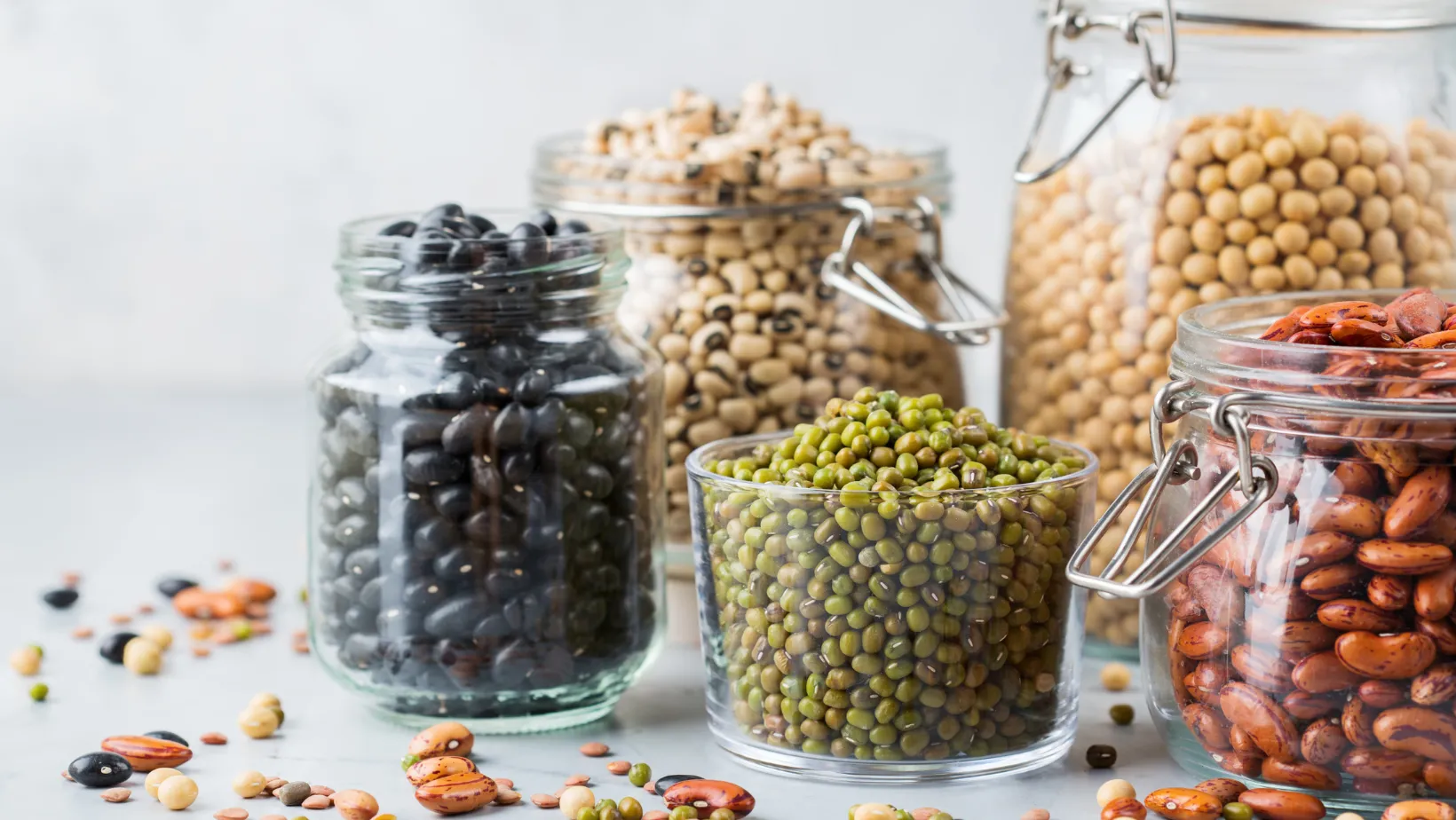
- as for proteins - it is worth choosing mainly plant-based ones, e.g. legumes instead of meat
- as for fats - it is worth relying on plant-based ones, e.g. nuts instead of butter
- vegetables or fruit - it is worth choosing them uncooked and unfragmented where possible
The risk of type 2 diabetes decreased by 9% when vegetable intake was increased to a portion of 300g/day. In the case of fruit, the risk of type 2 diabetes decreased by 10% with an intake of 200-300 g of fruit per day.
What can you drink with insulin resistance?
The best source of fluids is water. We can vary the flavor of our water by adding a slice of lemon or a sprig of mint.
Sweetened beverages must be absolutely avoided. It is also worth being careful with flavored waters - they are often a source of sugar, and in that case a good habit is to check the product's ingredient list.
And what about coffee and tea in insulin resistance?
Both decaffeinated and regular coffee significantly reduce the risk of type 2 diabetes. This phenomenon is closely related to the number of coffees drunk - a higher number of coffees is associated with a lower risk of diabetes. Regular coffee appears to be more beneficial than decaffeinated coffee. Drinking 6 coffees a day was associated with a 33% reduction in the risk of type 2 diabetes. It is believed that components other than caffeine have a protective effect against diabetes.
When it comes to drinking coffee, we should pay attention to one very important aspect. If we drink coffee with milk, it should be drunk with a meal, whereas if we drink black coffee, it can be drunk independently of meals.
As for teas, you need to watch the ingredients. If a tea contains dried or candied fruit, it will probably not be the best choice. It is better to choose loose-leaf tea without fruit added in the form of whole pieces.
What about alcohol?
Alcohol consumption in insulin resistance is not recommended. Alcohol inhibits the release of glucose from the liver, and therefore its consumption may promote hypoglycemia. When taking metformin, you also need to be particularly careful about alcohol consumption. Combining these two substances can lead to lactic acidosis.

What about sweeteners? Are they allowed?
Sweeteners have their so-called acceptable daily intake (ADI). This is an indicator which guarantees that, when a given substance is consumed below the indicated value, it is not harmful to us. The ADI has been calculated for each sweetener separately; for example, for aspartame it is 40 mg/kg of body weight. This means that a person of average weight would have to consume an average of 20 bottles of 355 ml diet Coca-Cola to reach this limit.
In recent years, there have been reports that sweeteners may cause changes in the gut microbiome. The microbiome, in turn, is responsible for glucose metabolism, fat metabolism, appetite regulation and the immune system response.
To assess the credibility of this claim, a study was conducted in which a group of people was given an average intake of aspartame and sucralose in the form of beverages, and the effect on the participants' microbiome was then assessed. Participants consumed 14% of the ADI for aspartame and 20% of the ADI for sucralose, respectively. Consumption of aspartame and sucralose did not affect the composition and diversity of the participants' microbiome.
Additionally, the Polish Diabetes Society recommends the use of sweeteners in the diets of people with prediabetes or type 2 diabetes.
How many meals a day should you eat?
It is recommended that people with insulin resistance or diabetes do not skip breakfast. Meal regularity is also important. Meals should be planned the way we need them to be. A strategy of 3-4 meals seems to be effective in maintaining satiety between meals.
Let's try to adjust the number of meals to our work schedule, our ability to prepare meals and our feelings of hunger. It is good not to allow situations in which we feel too hungry, and also not to overeat "in advance".
A low-carbohydrate diet in insulin resistance
There are still too few reliable research results to introduce a low-carbohydrate diet as a dietary strategy in insulin resistance. Recent studies in people with diabetes have shown that a low-carbohydrate diet can improve glycemic control, but this effect was no longer particularly visible after 12 months of the study, and a worsening of health parameters was additionally observed. These results call into question the use of the ketogenic diet (<55g of carbohydrates per day) in insulin resistance.
A plant-based diet in insulin resistance
A vegan or vegetarian diet shows many health benefits for people struggling with insulin resistance. This is probably related to the exclusion of meat and meat products from the menu of people switching to a plant-based diet. Additionally, it is worth noting that people on plant-based diets very often also consume large amounts of fiber and small amounts of saturated fatty acids.

Intermittent fasting in insulin resistance
Intermittent fasting (IF) covers several types of diets, which involve:
- alternate days - fasting (eating nothing on fasting days)
- alternate days - modified fasting (consuming less than 25% of caloric needs on fasting days)
- time-restricted eating (limiting calorie intake to specific times of the day)
- periodic fasting (consuming no calories on one or two days a week)
We do not yet have solid and reliable evidence for the mechanism by which IF could in any way improve outcomes in insulin resistance. It should be noted that most of the beneficial changes in parameters such as fasting glucose or insulin, or HOMA-IR, result from limiting the number of calories consumed. We currently have no reliable evidence that would confirm any other mechanism of action of IF diets in people with insulin resistance. Even if study participants have no imposed caloric restrictions, fasting days very often lead to introducing such restrictions unknowingly. Meanwhile, studies reporting the effects of IF diets do not report how many calories the intervention participants consumed.
Furthermore, it is worth noting that IF is a fairly radical way of eating in its very form, and study participants report feeling hungrier on IF than on a regular reduction diet. On the other hand, we have evidence that IF is not necessary to achieve improvement in IR, and no scientific society recommends this type of diet.
The diet in insulin resistance should be tailored individually to the patient. Why? Because if it is not adapted to the patient - their meal times, food preferences or even cooking skills - they will not be able to stick to such a diet. Diets of this kind look good "on paper" but do not necessarily work in "real life".

Stress reduction, sleep hygiene, physical activity
Regular physical activity significantly improves insulin sensitivity by increasing glucose uptake by the muscles and limiting insulin secretion.
It is mentioned that one should take at least 10 thousand steps a day and generally adopt a less sedentary lifestyle (e.g. choosing the stairs instead of the elevator, parking further from the destination). Additionally, 150 min of moderate or 75 min of intense exercise over the course of a week is suggested.
Meals should be eaten at a slow pace, without distractions such as television or the phone - these can increase food intake and cause a lower feeling of satiety than the actual one.
The order in which foods are eaten within food groups also has a significant impact on postprandial glycemia. It is beneficial to eat vegetables and protein products before starchy products.
As for sleep, sleep deficiency alone can significantly increase the amount of food we consume. This happens through several mechanisms, but it is known that this phenomenon is not entirely under our control. Sleep of 7-9h is considered optimal for adults and is recommended for people struggling with insulin resistance.
Bibliography
Drouin-Chartier J.P., Schwab A.L., Chen S. et al.: Egg consumption and risk of type 2 diabetes: findings from 3 large US cohort studies of men and women and a systematic review and meta-analysis of prospective cohort studies. Am J Clin Nutr.,2020, 112(3), 619-630. doi: 10.1093/ajcn/nqaa115.
Abodollahi S., Kazemi A., de Souza R. J. et al.: The effect of meal frequency on biochemical cardiometabolic factors: A systematic review and meta-analysis of randomized controlled trials. Clinical Nutrition, 40(5), 3170-3181. doi:10.1016/j.clnu.2020.12.038
Yuan X., Wang J., Yang S. et al.: Effect of the ketogenic diet on glycemic control, insulin resistance, and lipid metabolism in patients with T2DM: a systematic review and meta-analysis. Nutr Diabetes, 2020, 10(1), 38. doi: 10.1038/s41387-020-00142-z.
Chen P., Zhao Y., Chen Y.: A vegan diet improves insulin resistance in individuals with obesity: a systematic review and meta-analysis. Diabetol Metab Syndr., 2022, 14, 114. https://doi.org/10.1186/s13098-022-00879-w.
Schwingshackl L., Hoffmann G., Lampousi A.M. et al.: Food groups and risk of type 2 diabetes mellitus: a systematic review and meta-analysis of prospective studies. Eur J Epidemiol., 2017, 32(5), 363-375. doi: 10.1007/s10654-017-0246-y.
Yuan X., Wang J., Yang S. et al.: Effect of Intermittent Fasting Diet on Glucose and Lipid Metabolism and Insulin Resistance in Patients with Impaired Glucose and Lipid Metabolism: A Systematic Review and Meta-Analysis. Int J Endocrinol., 2022, 2022:6999907. doi: 10.1155/2022/6999907.
Ding M., Bhupathiraju S.N., Chen M. et al.: Caffeinated and decaffeinated coffee consumption and risk of type 2 diabetes: a systematic review and a dose-response meta-analysis. Diabetes Care. 2014, 37(2):569-86. doi: 10.2337/dc13-1203.
Pang M.D., Goossens G.H., Blaak E.E.: The Impact of Artificial Sweeteners on Body Weight Control and Glucose Homeostasis. Front Nutr. 2021, 7:598340. doi: 10.3389/fnut.2020.598340.
Reynolds A.N., Akerman A.P., Mann J.: Dietary fibre and whole grains in diabetes management: Systematic review and meta-analyses. PLoS Med., 2020,17(3), 1003053. doi: 10.1371/journal.pmed.1003053.
Ahmad S.Y., Friel J., Mackay D.: The Effects of Non-Nutritive Artificial Sweeteners, Aspartame and Sucralose, on the Gut Microbiome in Healthy Adults: Secondary Outcomes of a Randomized Double-Blinded Crossover Clinical Trial. Nutrients. 2020, 12(11), 3408. doi: 10.3390/nu12113408.

Consultation with a dietitian
Interested in changing your
eating habits?