Hashimoto's in insulin resistance
Agnieszka Słonina, clinical dietitian
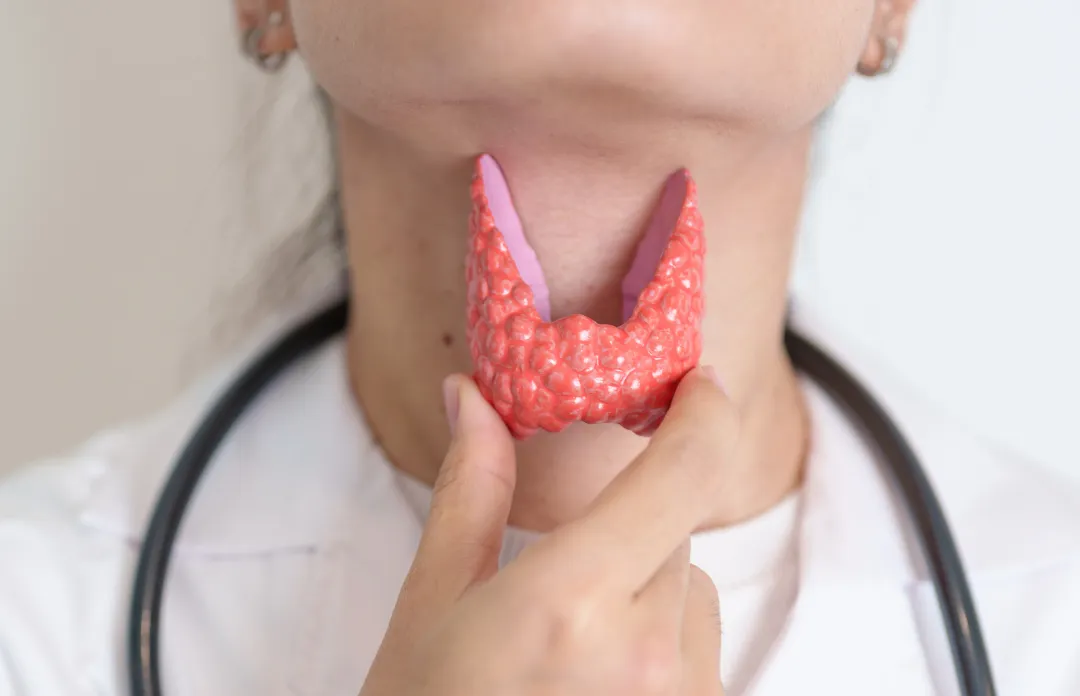
Discover a complete guide to Hashimoto's, containing information about its symptoms, its impact on the body, and effective treatment methods.
What is Hashimoto's?
The thyroid is a gland that secretes hormones: thyroxine, triiodothyronine and calcitonin. Thyroid hormones are responsible for the metabolism of proteins, carbohydrates, fats and cholesterol. Thyroid hormones also affect the functioning of most tissues in the body. The thyroid is responsible for about 30% of the resting metabolic rate, which is why, when thyroid hormones are deficient, we may observe energy being stored in the form of adipose tissue, leading to overweight and obesity.
Hashimoto's thyroiditis is also known as chronic lymphocytic or autoimmune thyroiditis. This disorder affects women 7-10 times more often than men, and its prevalence is 0.3-1.5 cases per 1000 people. It is characterized by the fact that our body independently produces antibodies against thyroid peroxidase (anti-TPO) and against thyroglobulin (anti-TG), which leads to lymphocytic infiltration and atrophy of the follicular cells of the gland. Hashimoto's is currently the main cause of hypothyroidism.
Symptoms of Hashimoto's
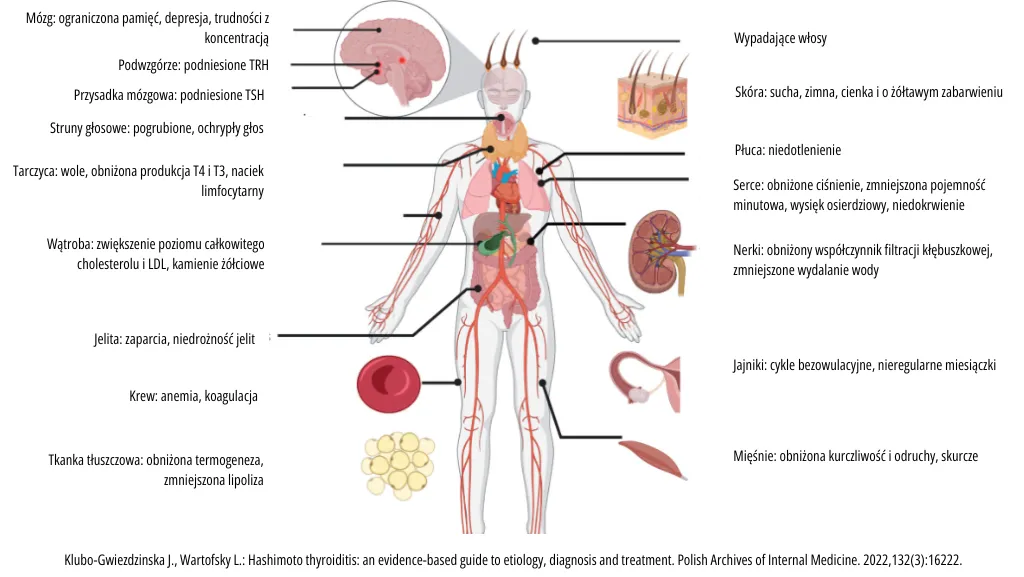
The symptoms are a consequence of thyroid hormone deficiency in the target tissues and show a wide spectrum of severity.
The symptoms of Hashimoto's and hypothyroidism include:
- cold and dry skin
- coarse hair
- hair loss
- hoarse voice
- coarse facial features and facial swelling
- generalized swelling
- bradycardia, that is, a slow heart rate
- constipation and even intestinal obstruction
- altered composition of bile, which can lead to the formation of gallstones
- abnormal cholesterol results
- reduced glomerular filtration in the kidneys
- fatigue, depression, memory loss and inability to concentrate
- anemia
How does Hashimoto's affect the body?
The presence of symptoms in Hashimoto's is associated with its transformation into hypothyroidism.
The presence of anti-TPO and anti-TG antibody titers may be associated with a 2-4 fold increase in the risk of recurrent miscarriage and a 2-3 fold increase in the risk of preterm birth. Overt hypothyroidism may be associated with an increased occurrence of gestational hypertension, including preeclampsia and eclampsia, gestational diabetes, placental abruption, preterm birth and low birth weight of the child.
People with Hashimoto's hypothyroidism have a higher BMI and waist circumference than healthy people. In people struggling with Hashimoto's, the risk of developing diabetes is greater than in the population of people with a healthy thyroid. In patients with Hashimoto's, higher blood concentrations of total cholesterol, triglycerides and the LDL cholesterol fraction have been noted.
Hashimoto's - who gets it?
Hashimoto's disease is most often diagnosed in women, especially those of reproductive age. The development of the disease is also influenced by:
a) environmental factors
- cigarette smoking
- stress
- viral and bacterial infections
b) nutrition
- selenium deficiency
- excess or deficiency of iodine
c) improper functioning of the pituitary gland
d) autoimmune diseases
The prevalence of Hashimoto's increases with age, especially in patients diagnosed with other autoimmune diseases, such as: systemic sclerosis, other connective tissue diseases, Sjögren's syndrome, pernicious anemia, autoimmune liver disease and celiac disease.
Hashimoto's from blood tests
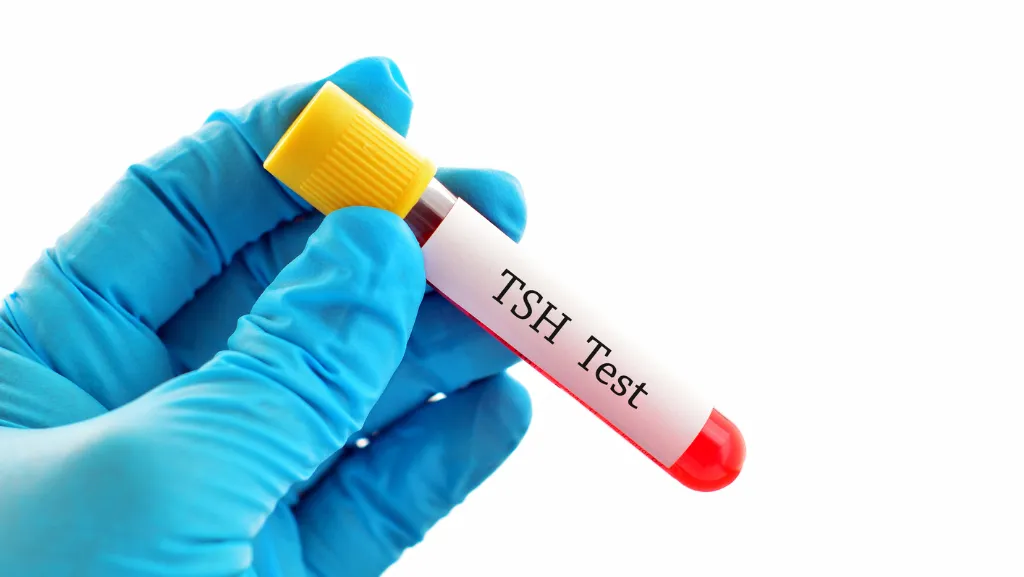
The diagnosis of Hashimoto's is made on the basis of clinical symptoms, the presence of antithyroid antibodies and features of the thyroid tissue.
The most important feature of Hashimoto's is considered to be the presence of anti-TPO antibodies, which occur in about 95% of patients. The absence of anti-TPO antibodies can be found in 5-10% of cases. A thyroid ultrasound can help in differential diagnosis, especially in patients with a negative anti-TPO result. The features of Hashimoto's on ultrasound include echogenicity, heterogeneity, hypervascularization and the presence of small cysts. In contrast, anti-TG antibodies are present in a lower proportion of cases (60-80%) and are therefore less reliable in diagnosis.
Hashimoto's - deficiencies
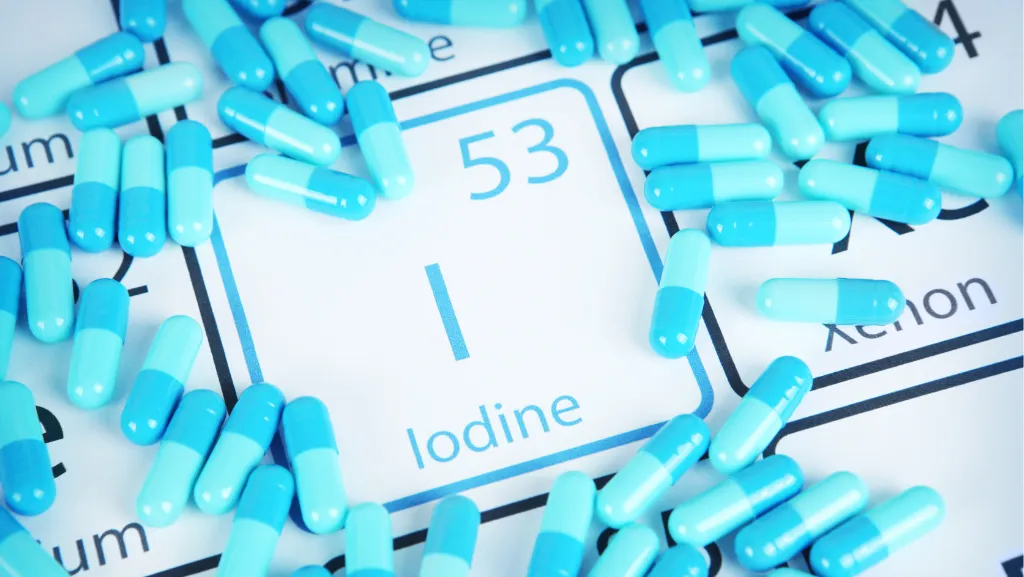
In the case of thyroid diseases, particular attention should be paid to several nutrients. The first of these is iodine. Iodine is essential for the production of thyroid hormones. Iodine supplementation should not be introduced routinely, because its excess in the body can lead to the Wolff-Chaikoff effect, associated with the inhibition of thyroid hormone synthesis. Permitted sources of iodine are: mackerel, mussels, cod, oysters, bran, iodized salt and mineral waters, as well as red wine.
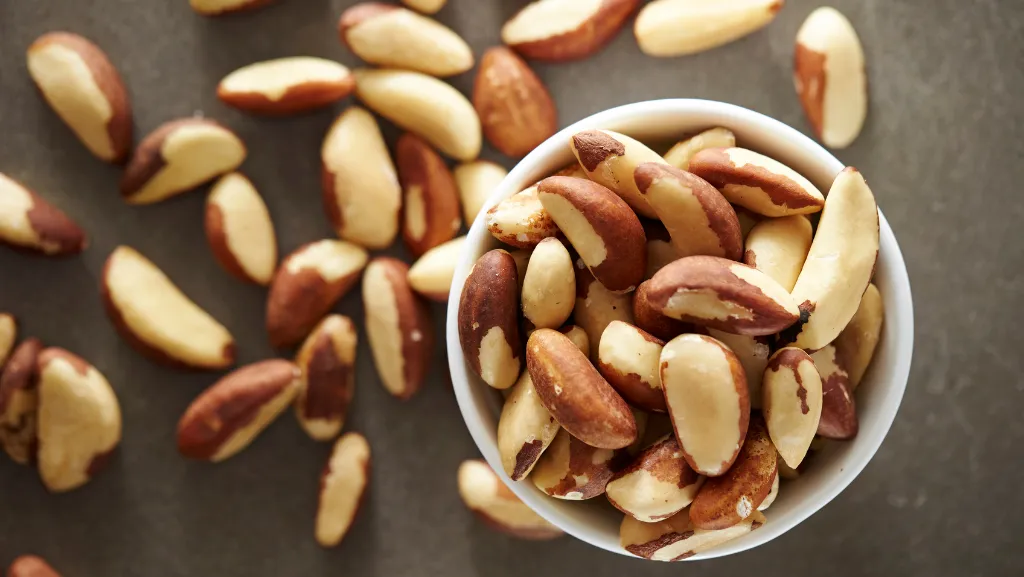
Selenium is another important nutrient in the diet of people suffering from hypothyroidism. Selenium is a component of an enzyme that participates in the conversion of thyroxine (T4) into triiodothyronine (T3). In the case of insufficient selenium intake, the production of T3 decreases and the thyroid is damaged. Reduced absorption of iodine may occur. Permitted sources of selenium are: shellfish, fish, garlic, mushrooms and Brazil nuts. Poles usually meet their selenium requirement through a high intake of meat, grain and dairy products.
Iron is a component of thyroid iodinating peroxidase, which is responsible for activating the conversion of thyroglobulin into thyroxine and T3. A decrease in iron concentration in the body can lead to a drop in T3 levels and an increase in TSH. Good sources of iron are: red meat, flaxseed, pumpkin seeds, wheat bran, poppy seeds, egg yolks, sesame and pistachios.
Zinc is also crucial for the proper functioning of the thyroid. Dietary sources of zinc are: wheat germ, flaxseed, pumpkin seeds and whole-grain cereal products. In people suffering from Hashimoto's, the blood concentration of vitamin D is much more often lower than in healthy people. The concentration of vitamin D is linked to the amount of anti-TPO and anti-TG.
Hashimoto's - how to treat it?
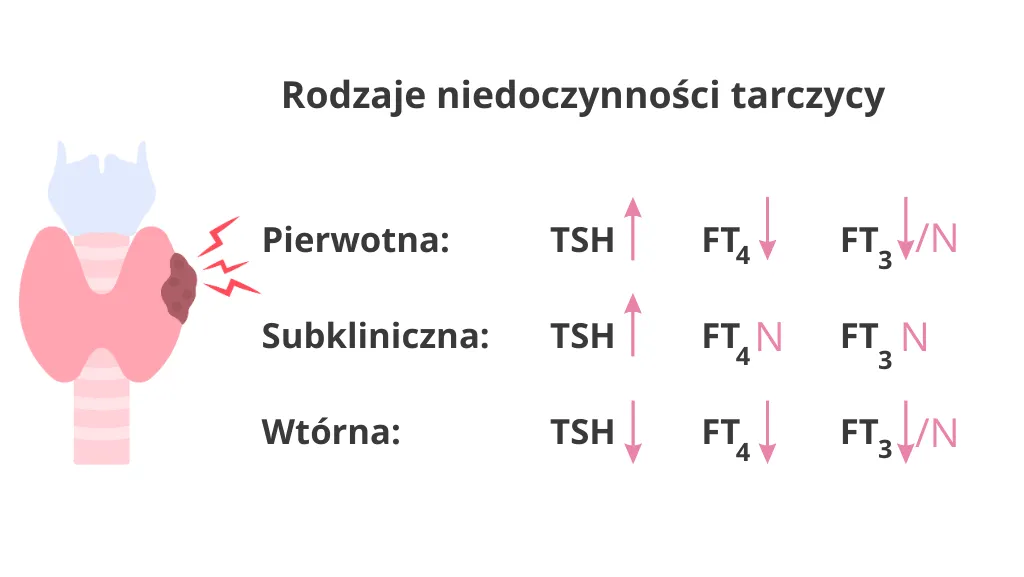
Overt hypothyroidism in the course of Hashimoto's should be treated with hormone replacement therapy. The goal of treatment is to mimic normal physiology. The therapy is carried out by administering levothyroxine. Administering levothyroxine leads to the normalization of TSH in the serum.
Compared with untreated patients, patients treated for hypothyroidism have been shown to have a lower risk of myocardial infarction, stroke, atrial fibrillation, heart failure and death from cardiovascular causes.
The dose of levothyroxine required to normalize TSH depends, among other things, on the patient's body weight, especially lean body mass. The optimal time to decide on adjusting the levothyroxine dose is 6-8 weeks after starting therapy or changing the dose, in order to allow enough time to restore stabilization of the hypothalamic-pituitary-thyroid axis.
After establishing the optimal dose, it is recommended to further confirm the TSH level after 3-6 months, and then, for most patients, only annual monitoring is appropriate.
Treatment of subclinical hypothyroidism depends on the TSH level. Usually, the introduction of treatment begins at a TSH value above 10 mIU/ml, because such values may be associated with increased cardiovascular mortality.
Research results confirm that particular attention should be paid to the way in which we take levothyroxine. In addition, an important factor that disrupts the absorption of levothyroxine is the presence of: celiac disease, lactose intolerance or gastrointestinal disorders.
Hashimoto's - what to eat
In the case of patients who are overweight or obese, a reduction diet should be considered. However, particular attention should be paid to avoiding restrictive diets, which lead to reduced thyroid activity. Excessive caloric restriction can cause an increase in TSH concentration and reduce the metabolic rate. However, hormone levels return to their baseline state after 3 weeks of caloric restriction.
The intake of goitrogenic substances, significant amounts of which are found in cruciferous vegetables, cabbages, legumes and soy, should be limited. Goitrogenic substances bind with iodine and impair its incorporation into thyroid hormone molecules. Moderate consumption and appropriate preparation of these products for consumption is permitted. Vegetables should be cooked without a lid, which leads to the inactivation of about 30% of goitrogenic substances. People with Hashimoto's should also be careful with mustard and peanuts, which also have goitrogenic potential. In addition, attention should be paid to green tea. It contains catechins and flavonoids, which can cause a weakening of thyroid function.
A significantly higher frequency of celiac disease among people with Hashimoto's has also been observed. Patients diagnosed with celiac disease who do not eliminate gluten from their diet need higher doses of levothyroxine than people without celiac disease in order to achieve the desired TSH concentration. However, there is no recommendation to routinely introduce a gluten-free diet in people with Hashimoto's. It is, however, worth performing diagnostic tests for celiac disease.
Many doubts arise regarding the consumption of dairy in Hashimoto's. If, however, we do not have confirmed lactose intolerance, dairy should not be eliminated from the diet of people with Hashimoto's disease. If, on the other hand, lactose intolerance is present, eliminating lactose in Hashimoto's disease has a beneficial effect on lowering the TSH concentration. In addition, in people with lactose intolerance a higher dose of levothyroxine is required. Therefore, in the group of patients with Hashimoto's diagnostics in this direction can additionally be considered.
Attention should be paid to the correct intake of protein, which can also inhibit hair loss - one of the main symptoms of the disease. It is also worth keeping an eye on a low glycemic index of meals, because very often carbohydrate metabolism disorders can co-occur alongside Hashimoto's. Including appropriate amounts of dietary fiber in the diet can prevent constipation, which is a common symptom of hypothyroidism.
Simple sugars (e.g. in the form of candies and wafers) should be limited in the diet of people with Hashimoto's. In addition, particular attention should be paid to the quality of the fat consumed. We should avoid fats from products of animal origin, because they are a significant source of saturated fatty acids (SFA). In people with Hashimoto's, the quality of fat and the limitation of SFA is extremely important in the context of preventing circulatory diseases.

Hashimoto's in insulin resistance
The occurrence of carbohydrate metabolism disorders has been demonstrated in thyroid diseases that present with both overt hyperthyroidism and overt hypothyroidism. Normal glucose metabolism can be disrupted by both a deficiency and an excess of thyroid hormones, which leads to carbohydrate metabolism disorders. Hypothyroidism promotes the intensification of insulin resistance associated with impaired glucose utilization in the tissues.
About 15% of patients with type 2 diabetes suffer from overt hypothyroidism, and a further 10% have subclinical hypothyroidism. Subclinical forms of hypothyroidism can lead to abnormalities in the course of diabetes treatment, in the form of, for example, unexpectedly occurring hypoglycemia.
In hypothyroidism, a reduction in the breakdown of glucose in the muscles and liver, a limitation of the new production of glucose in the liver, a limitation of resting insulin secretion, as well as of glucose absorption in the intestines are observed. The consequence of this can be recurrent hypoglycemia. It has been shown that treatment with levothyroxine normalizes fasting insulin levels and increases insulin sensitivity.
Bibliography
Ratajczak A. E. et al.: Dietary recommendations for hypothyroidism and Hashimoto’s disease. Nursing and Public Health, 2017, 7(4):305-311
Ralli M. et al.: Hashimoto’s thyroiditis: An update on pathogenic mechanisms, diagnostic protocols, therapeutic strategies, and potential malignant transformation. Autoimmun Rev. 2020, 19(10):102649.
Klubo-Gwiezdzinska J., Wartofsky L.: Hashimoto thyroiditis: an evidence-based guide to etiology, diagnosis and treatment. Polish Archives of Internal Medicine. 2022, 132(3):16222.
Patusiak K.: Postępowanie dietetyczne w chorobach tarczycy. Forum Zaburzeń Metabolicznych, 2017, tom 8, nr 4, 155-160
Gierach M. et al.: Insulinooporność a choroby tarczycy. Endokrynol Pol, 2014, 65 (1): 70-76
Sowiński J. et al.: Zalecenia Polskiego Towarzystwa Endokrynologicznego oraz Polskiego Towarzystwa Diabetologicznego dotyczące diagnostyki i leczenia zaburzeń funkcji tarczycy w cukrzycy typu 1 i 2. Endokrynol Pol, 2013, 64 (1): 73-33
Consultation with a dietitian
Interested in changing your
eating habits?